


















ActivePropertyCare Brendan refers to Brendan Berksaw, the founder of Active Property Care. His work on the site helps homeowners and landlords understand property problems before they decide what to do next.
The guidance covers maintenance and repair decisions. It also explains rental care, outdoor upkeep, home improvement and property condition in practical terms.
Brendan Berksaw and Active Property Care at a Glance
Active Property Care’s About page identifies Brendan as the founder. His author profile connects his work with the day-to-day property topics covered across the site.
Who Is Brendan Berksaw?
Brendan Berksaw is the founder of Active Property Care. On APC, his name is connected with property-care information for homeowners and landlords.
The focus is practical rather than biographical. A reader may need to understand a ceiling stain or decide whether a rental repair deserves quick attention. Another owner may be planning renovation work and needs to deal with existing defects first.
Those situations are different, but the first step is the same. Property condition needs to be understood before money is spent or work begins.
An earlier Active Property Care overview explains the wider site purpose. For broader background, the ActivePropertyCare.com About guide explains the site’s property-care coverage.
What Does Active Property Care Cover?
Active Property Care is organized around five connected areas. They reflect the way maintenance problems move through a real home rather than staying inside one category.
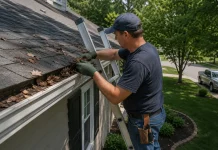
A blocked gutter can push water toward exterior materials. Repeated moisture may then damage finishes or timber. If the underlying cause is ignored, a maintenance task can turn into a larger repair.
How Does Active Property Care Approach Property Problems?
The site’s current guidance follows a straightforward sequence. First identify the problem. Then work out whether the condition is active and decide how quickly it needs attention.
Start With What You Can Observe
Describe the issue before deciding on the repair. Note the location and when it first appeared. Record whether it changes after rain or after a fixture is used.
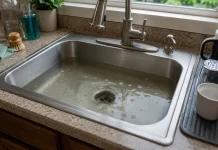
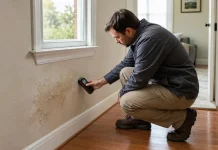
A damp mark beside a window after heavy rain gives useful context. The same is true when a drain becomes slower over several days rather than during one isolated use.
Work Out Whether the Problem Is Active
An active defect usually deserves more attention than an old condition that has already been corrected. Water that continues to enter a wall can spread into nearby materials, while a dry historic mark may only need monitoring once the cause is confirmed.
The U.S. EPA also emphasizes moisture control when dealing with mold and damp conditions. Its residential mold and moisture guidance explains why the water source needs to be addressed rather than only cleaning the visible result.
Put Consequence Before Appearance
Cosmetic work should not hide active damage. Fresh paint will not stop moisture entering through failed exterior sealing. New flooring also makes little sense while a supply line is still leaking beneath it.
Safety and water control usually come first. Security and structural concerns deserve the same priority when the condition is active.
Match the Response to the Problem
Some issues need routine maintenance. Others need monitoring or a closer inspection. Technical faults may require a qualified contractor, while unsafe conditions should not be handled as ordinary DIY work.
Keep a Useful Property Record
Photos make it easier to compare condition over time. Service reports explain what a contractor inspected, and invoices confirm the scope of completed work.
For rental properties, those records can also help distinguish a new report from an older maintenance issue.

Property-Care Priority Guide
| Condition | What to establish first | Typical response |
|---|---|---|
| Active water leak | Where is the water entering? Is it spreading? | Prompt investigation |
| Damaged exterior lock | Is access or security affected? | Prompt repair |
| Burning smell near electrical equipment | Could there be an immediate electrical risk? | Stop use and get qualified help |
| Slow drain | Is the problem recurring or getting worse? | Inspect and plan the response |
| Overflowing gutter | Is runoff reaching walls or the foundation? | Clear the blockage and check drainage |
| Peeling exterior finish | Is moisture or decay present below it? | Inspect before refinishing |
| Old wall stain | Is the area dry and stable? | Confirm the cause and monitor |
| Routine maintenance item | Is deterioration beginning? | Add it to planned maintenance |
This matrix is a decision aid rather than a remote diagnosis. It helps the owner decide what information should be collected before the next step.
How Can Landlords Use Active Property Care?
Rental maintenance often begins with incomplete information. A tenant might send a photograph or describe a smell. Another report may involve a leak or a fixture that no longer works.
The landlord first needs to establish where the problem is and when it began. Urgency changes when heating or safe access is affected. Water and electrical concerns also need faster attention than routine cosmetic work.
Inspection history becomes useful once the condition is clearer. Earlier photos can show whether dampness has returned, while repair invoices can confirm what work was completed in the same area.
APC’s landlord repair responsibility guide explains why local law and the cause of damage still matter. Lease terms and evidence also affect who may be responsible.
Tenant screening is another part of rental management, but the official APC pages do not establish that Brendan personally performs screening for every landlord. Specific services should be confirmed directly.

How Can Homeowners Use the Site?
Homeowners face many of the same condition questions without the tenancy layer. Moisture beneath a window is a good example.
Repainting may hide the mark, but it does not explain why the area became damp. The better starting point is to inspect the window perimeter and nearby exterior sealing. Drainage and indoor condensation also need to be considered.
Maintenance should come before decorative work when the cause is still active. The home maintenance checklist provides a structured way to keep these open items from being forgotten.
What Should Be Handled by a Qualified Professional?
General guidance can help readers organize what they see. It cannot replace the judgment required for unsafe or regulated work.
- Record visible symptoms.
- Review maintenance history.
- Compare earlier inspection photos.
- Check accessible drainage paths.
- Prepare questions for a contractor.
- Plan routine maintenance.
- Structural movement or instability.
- Unsafe electrical conditions.
- Gas or fuel-burning equipment concerns.
- Significant roof damage.
- Major plumbing failures.
- Work that requires permits or licensed trades.
The site is most useful before that boundary. It can help an owner recognize when the problem has moved beyond ordinary maintenance.
Why Do Property Records Matter?
Maintenance becomes harder when there is no reliable history. If a ceiling stain returns after a year, previous photos can show whether the same area has changed.
Repair notes provide another layer of context. A service report can explain what was inspected, while an invoice shows what was actually completed.
These records support future maintenance and rental inspections. They can also help when a property is prepared for sale.
How Does Property Maintenance Connect With Property Value?
Condition affects the way a property is understood by buyers and inspectors. Recurring moisture or worn systems can create uncertainty about the work that still needs to be completed.
Routine maintenance helps control that uncertainty. The site’s Property Value cluster also explains how deferred maintenance can expand the eventual repair scope.
Protecting value therefore begins with stable condition rather than cosmetic upgrades.
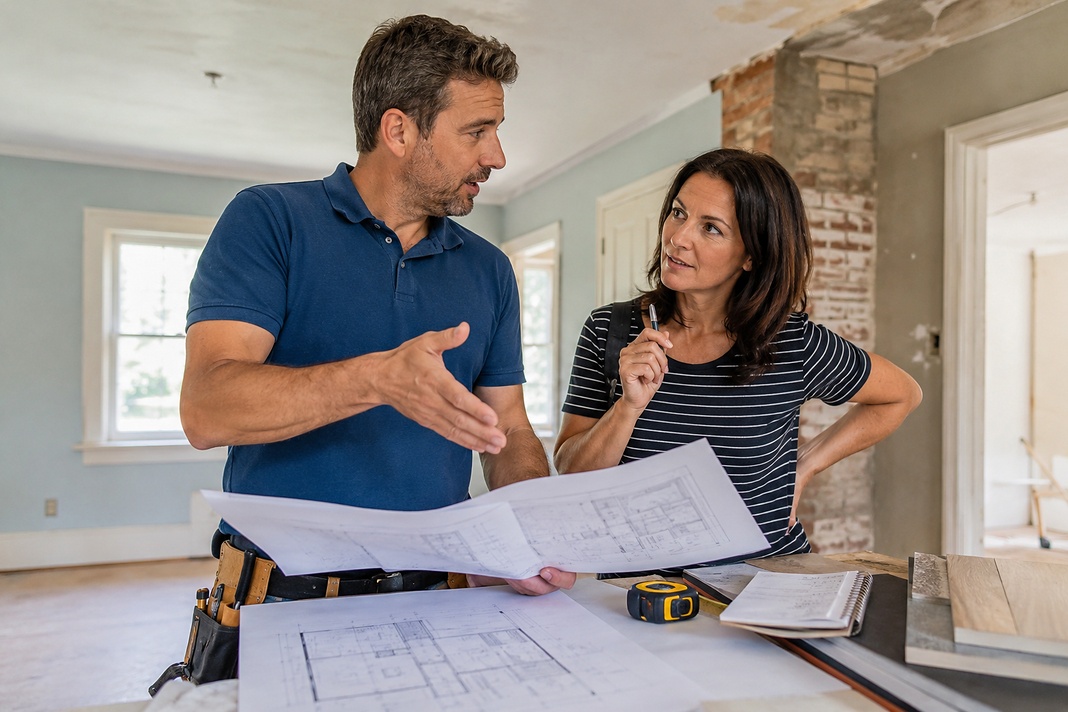
How Should Property Owners Plan Home Improvements?
Improvement work should begin with the existing condition of the property. A renovation budget becomes less reliable when unresolved defects are hidden behind finishes.
Bathroom work should account for ventilation and water control. Exterior projects need the same attention to weather protection and runoff.
The home renovation checklist can help owners organize the project after necessary corrective work has been identified.
Where Does Outdoor Property Care Fit?
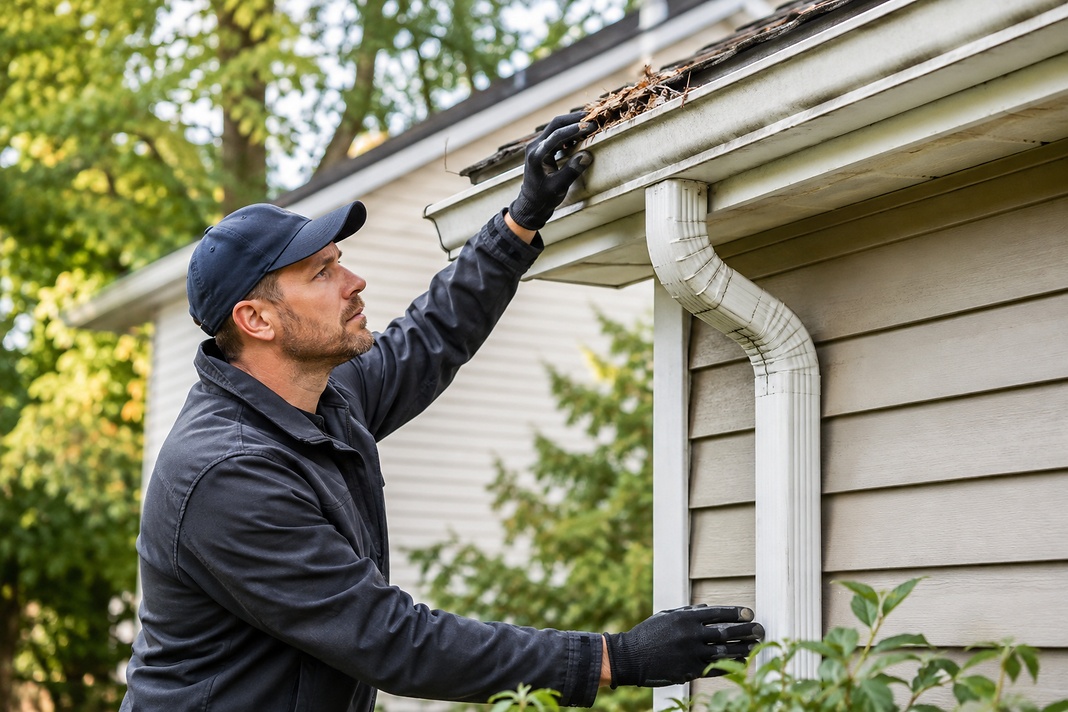
Exterior maintenance has a direct effect on the building. Gutters control roof runoff, while downspouts move that water toward the ground.
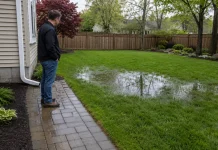
Grading and drainage then determine whether runoff moves away from the foundation. Vegetation can also hide defects when it grows tightly against exterior walls.
APC’s gutter cleaning guide explains the maintenance side of roof drainage. The earlier external reference on blocked drainage provides additional background on common drain problems.
How Can Readers Verify Information About Brendan Berksaw?
Claims about Brendan should be checked against Active Property Care’s own pages first. The official site can confirm his published role and the current scope of APC’s guidance.
| Information | Best APC source | What it confirms |
|---|---|---|
| Brendan’s role | About page and author profile | His current connection with APC |
| Site purpose | Active property care information | The site’s current property-care scope |
| Related Brendan wording | Berksaw ActivePropertyCare | The relationship between Brendan Berksaw and APC |
| Current contact route | ActivePropertyCare.com contact | Where readers can confirm current service information |
| Specific property guidance | Current APC article on that problem | The site’s latest published guidance |
Verification rule: first-party pages should carry more weight for claims about Brendan’s role. Fees or service locations should be confirmed directly when they are not published clearly on APC.
What Is Active Property Care Designed to Do?
Active Property Care is designed to make property problems easier to understand before the owner chooses a response. The site helps readers recognize warning signs and decide whether a condition needs maintenance or further inspection.
It does not replace an onsite inspection. APC articles also cannot establish structural safety or settle a tenancy dispute.
Its practical value comes from helping readers ask better questions and avoid ignoring conditions that deserve attention.
Final Thoughts
ActivePropertyCare Brendan is best understood through the connection between Brendan Berksaw and Active Property Care. Brendan is the site’s founder, while APC provides practical information for homeowners and landlords dealing with real property-care decisions.
The useful part of that relationship is not a promise that one person personally performs every repair or management task. It is the site’s focus on understanding condition before action.
Property owners make better decisions when they know what changed and how urgent it is. Good records then make future maintenance easier. When the issue involves safety or regulated work, the next step should move to the appropriate qualified professional.
Frequently Asked Questions
Who is ActivePropertyCare Brendan?
ActivePropertyCare Brendan refers to Brendan Berksaw and his connection with Active Property Care. APC identifies Brendan as the site’s founder.
Who is the owner and founder of Active Property Care?
Brendan Berksaw is the confirmed founder of Active Property Care and the person publicly associated with the site. APC’s current first-party pages do not separately publish a different legal owner, so founder is the ownership-related fact that can be verified directly from the site.
What does Brendan Berksaw write about?
His APC work focuses on practical property care. That includes maintenance and repairs as well as rental needs and home improvement.
Is Active Property Care only for landlords?
No. Active Property Care publishes guidance for homeowners and landlords.
Does Active Property Care cover rental-property maintenance?
Yes. APC covers rental inspections and maintenance organization. It also explains repair responsibility and record keeping.
Does Brendan personally perform every repair discussed on APC?
The official site does not establish that Brendan personally performs every repair or inspection discussed in APC articles. Current service availability should be confirmed directly with Active Property Care.
Can APC guidance replace a professional inspection?
No. Articles can help readers understand warning signs and urgency, but they cannot confirm the complete condition of a property.
Why does APC place so much emphasis on maintenance?
Maintenance helps identify deterioration earlier. Early action can reduce the chance that a small condition becomes a larger repair.
Can delayed maintenance affect property value?
Yes. Deferred repairs can worsen condition and increase uncertainty for buyers or inspectors.
Where can I verify information about Brendan Berksaw?
Use APC’s About page and Brendan’s author profile first. Current site guides and the official contact route can confirm the latest published information.
What should I do if a property problem looks unsafe?
Avoid disturbing the affected area and contact the appropriate qualified professional. This is especially important when electricity or structural movement may be involved.
Scope: APC guidance supports understanding and preparation. Unsafe work or regulated repairs may require qualified local help.

