


















Damp and moisture warning signs can appear before water becomes an obvious leak. A damp smell, spreading stain, swollen panel, peeling finish, or corroded fitting deserves attention. Act faster when the problem grows, returns, reaches electricity, or affects a ceiling.
The first goal is not to identify the exact fault. It is to determine whether the area is safe, whether moisture is active, and which professional may be needed.
Safety warning Keep away from wet electrical equipment, standing water near electricity, sewage, and sagging ceilings. Do not enter an unsafe roof space or climb onto a wet roof. Contact emergency services when anyone faces immediate danger.
Quick Summary
- Look for stains, damp odors, damaged finishes, swollen materials, corrosion, and water sounds.
- Compare the timing with rain, plumbing use, showers, appliances, or drainage problems.
- Check only dry, stable, and safely accessible areas.
- Treat spread, ceiling movement, sewage, and water near electricity as urgent.
- Do not cover a mark until the source is corrected and the material is dry.
What Are the Earliest Damp and Moisture Warning Signs?
Early damp and moisture warning signs often affect the appearance, smell, shape, or strength of a material. One sign may have several possible causes. Several related signs in the same location provide stronger evidence of a moisture problem.
Visible Surface Changes
Watch for:
- Yellow or brown marks
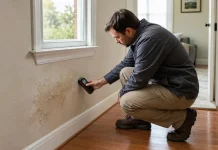
- Water rings on ceilings or walls
- Bubbling or flaking paint
- Peeling wallpaper
- Swollen cupboard panels
- Warped skirting or flooring
- Crumbling plaster or drywall
- Repeated condensation in the same area
A dry-looking stain does not prove that the concealed material is dry. Water may remain in insulation, flooring, cabinets, or wall cavities after the surface changes.
Damp Smells and Unexplained Sounds
A persistent musty smell can indicate moisture in a concealed area. Check whether it strengthens after rain, bathing, appliance use, or plumbing use.
The CDC’s mold guidance explains that damp and moldy environments may affect some people more than others. Vulnerable occupants may face greater concerns.
Dripping, trickling, or running-water sounds also deserve attention when no fixture is operating. The sound may travel through walls or pipework, so its loudest point may not be the source.
Changes in Fittings and Materials
Corrosion, deposits, swelling, or dampness around a fitting may indicate a slow leak. Check accessible connections from a safe position.
Wood-based cupboards often swell or soften after repeated moisture exposure. Flooring may lift, separate, or feel uneven. These changes show that the problem may extend beyond the visible mark.
Do not press a damaged ceiling or unstable wall to test its strength. Keep people away if the surface is sagging, bulging, or shedding material.
What Can the Location of Damp Tell You?
Location is one of the most useful damp and moisture warning signs, but it cannot confirm the cause. Water may travel along pipes, framing, flooring, or insulation before appearing.
Beneath Sinks and Appliances
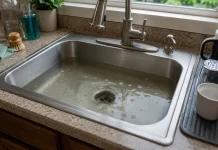
Check accessible supply hoses, pipe joints, sink traps, appliance connections, and water heaters. Look for staining, corrosion, swelling, or mineral deposits.
Stop using the fixture or appliance if use makes the problem worse.
Do not force a stuck isolation valve. A seized valve or weak connection may break and release more water.
Below Bathrooms, Kitchens, and Utility Areas
A mark below a bathroom may relate to a pipe, drain, seal, or overflow. A kitchen-area mark could relate to a sink, appliance, or nearby pipework.
Note whether the stain changes after a specific fixture is used. Stop using that fixture if the connection appears consistent.
Do not stand beneath a ceiling that is sagging, bulging, dripping heavily, or shedding material.
Around Windows and Exterior Walls
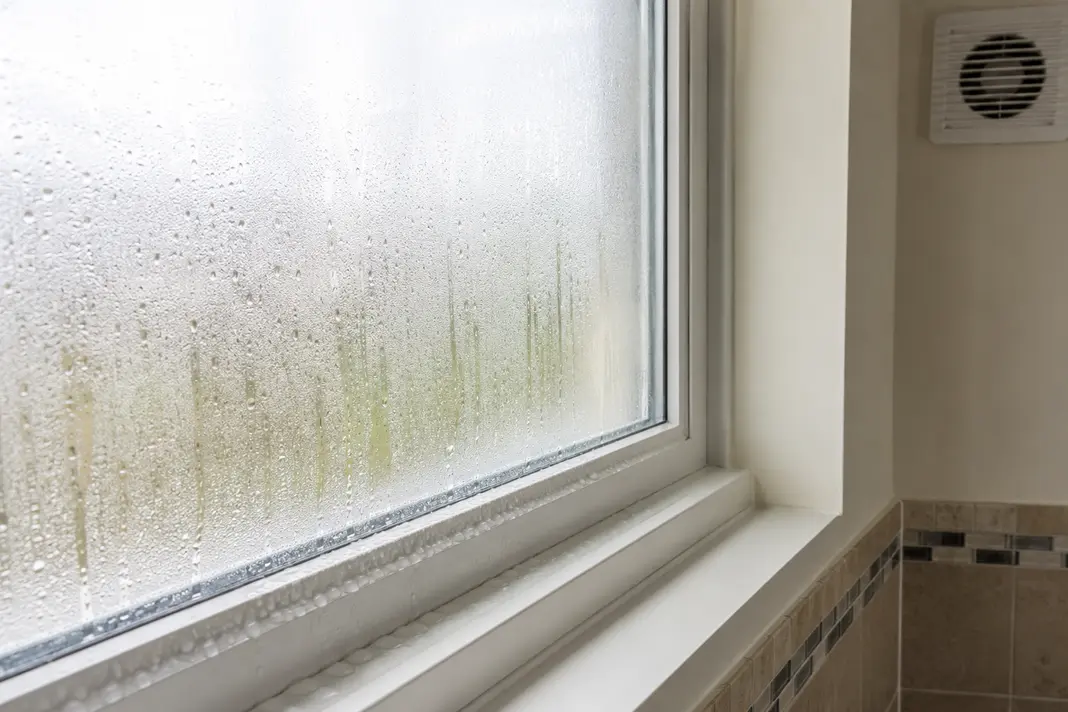
Moisture around a window may relate to condensation, damaged seals, or exterior water entry. Droplets after bathing may suggest condensation. Staining that worsens during rain may point toward external entry.
On Top-Floor Ceilings and Near the Roofline
A top-floor stain that changes during rain may relate to roofing, flashing, gutter overflow, or another opening. Air-conditioning condensate can also affect ceilings.
Do not climb onto the roof or enter an unsafe attic to investigate. A roofer or relevant building professional should inspect inaccessible areas.
Along Floors, Skirting, and Connected Rooms
Water can move beneath flooring and emerge away from its source. From a dry position, check the opposite wall side and the room below. Raised flooring, dark carpet edges, or swollen skirting can indicate spread.
Is the Moisture Active or Left From an Older Problem?
A stain can remain after a repair, so discoloration alone does not confirm an active leak. Changes in timing, spread, odor, and material condition provide better damp and moisture warning signs.
| Possible active moisture | Possible historic damage |
|---|---|
| The stain darkens or expands | The mark remains unchanged |
| The area becomes wet again | The visible surface stays dry |
| The change follows rain or fixture use | No pattern appears after water use or rain |
| A damp smell returns or strengthens | No recurring odor is present |
| Paint continues bubbling or separating | The finish appears stable |
| Material continues swelling or deforming | Existing damage does not change |
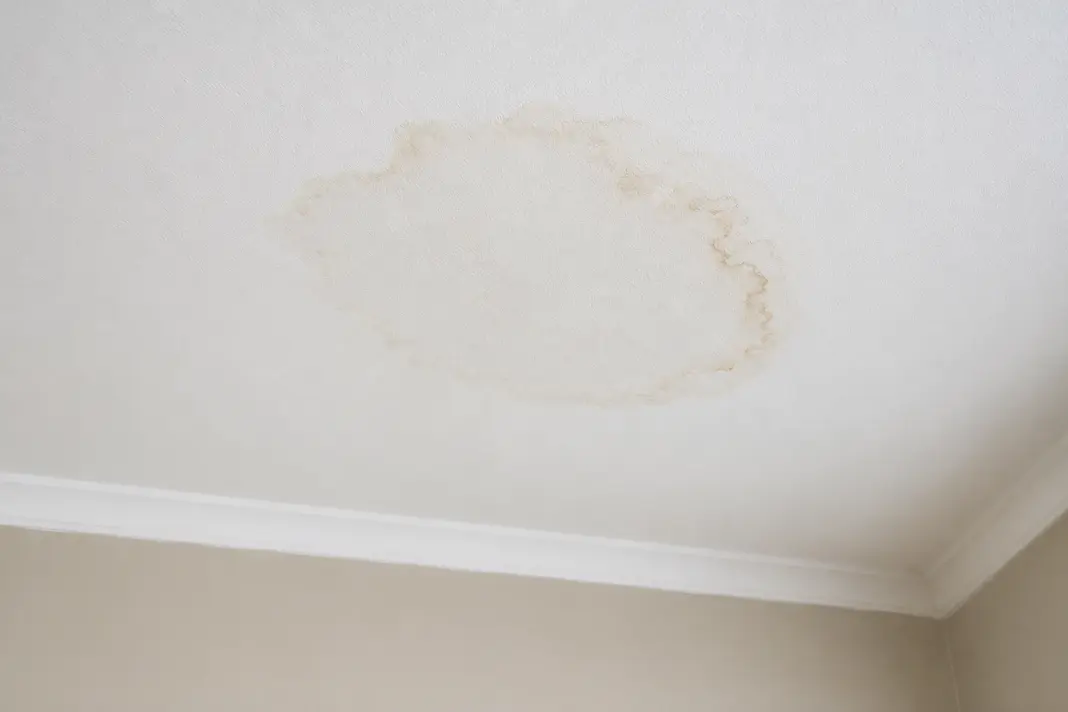
Take dated photographs from the same safe position. Compare the edge, color, and surrounding material.
The EPA’s mold and moisture guidance recommends drying damp or water-damaged materials within 24 to 48 hours when this can be done safely. A dry surface may still conceal wet material.
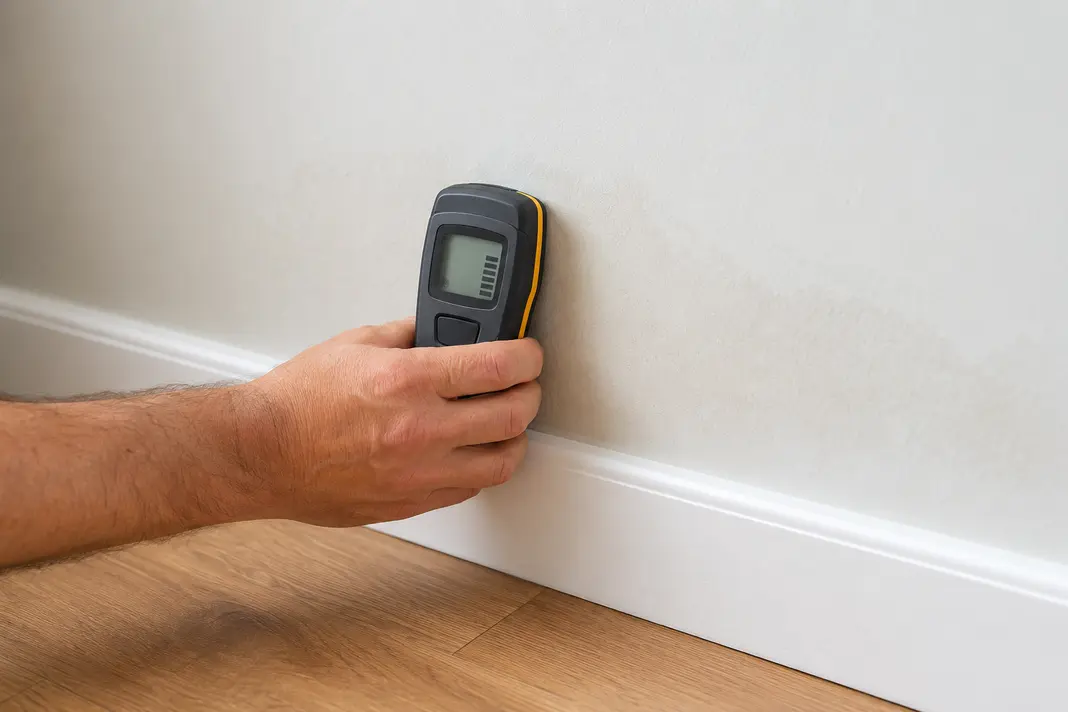
A moisture meter can compare areas, but it cannot identify the source. Materials, metal, salts, and settings can affect readings.
Arrange professional assessment when the evidence conflicts, the source is concealed, or the material continues changing.
Is It Condensation, a Plumbing Leak, or External Water Entry?
Moisture patterns can suggest a category. They cannot provide a guaranteed diagnosis.
| Observed pattern | Possible explanation | Sensible next step |
|---|---|---|
| Droplets form on cold windows after bathing or cooking | Condensation or high indoor humidity | Use safe ventilation and monitor recurrence |
| Dampness appears after using one fixture | Plumbing, drainage, or seal problem | Stop using the fixture and contact the relevant professional |
| A ceiling or wall mark changes during rain | Roof, window, gutter, or exterior water entry | Arrange roofing or exterior assessment |
| Moisture appears near an air-conditioning system | Condensate drain, drip pan, duct, or insulation problem | Contact an HVAC professional |
| Water rises when another fixture is used | Wider drainage blockage | Stop using affected fixtures and contact a drainage professional |
| The area remains damp without a visible source | Hidden plumbing or building-envelope problem | Arrange leak or moisture assessment |
Condensation often follows steam, cold weather, or poor airflow. Plumbing leaks may follow fixture use or continue regardless of weather. External water entry often changes with rain or wind direction.
Patterns can overlap. Condensation and exterior water entry can affect the same room. Persistent moisture still needs investigation.
How Does the APC Source–Spread–Safety Test Work?
The Source–Spread–Safety Test organizes damp and moisture warning signs without pretending to diagnose a concealed fault.
1. Source
Ask what happened before the moisture appeared. Consider rain, plumbing use, showers, appliances, drainage behavior, and heating or cooling operation.
Timing can point toward a category of fault. It does not confirm the exact component.
2. Spread
Check whether the mark expands, the odor strengthens, another room becomes affected, or the problem returns after drying.
Spreading or recurring moisture needs faster assessment than an unchanged historic mark.
3. Safety
Stop checking around electricity, blocked access, sagging materials, sewage, unsafe service spaces, or water that cannot be isolated safely.
Safety determines the urgency. It also determines whether any further household check is appropriate.
How To Perform Safe First Checks for Moisture
Only perform checks that do not expose you to water, electricity, contamination, unstable materials, or unsafe access.
Step 1: Protect the Area
Keep children, pets, and other occupants away. Restrict access when the floor is wet or material appears unstable.
Step 2: Observe Without Disturbing the Surface
Look at the stain, finish, fittings, and surrounding materials. Do not cut into walls, remove covers, lift flooring, or open electrical equipment.
Step 3: Record What You Notice
Record the location, start time, size, color, odor, sound, nearby services, and safe photographs.
Step 4: Check the Timing
Note whether the sign changes after rain, showering, flushing, appliance use, or heating and cooling operation.
Stop using a fixture if its use appears to worsen the problem.
Step 5: Inspect Accessible Related Areas
Check beneath the sink, around visible hoses, beside the appliance, in the adjacent room, and on the ceiling below. Keep to a dry, stable route.
Do not enter a roof space, crawl space, or service area that presents unsafe access.
Step 6: Decide Whether the Check Must Stop
Stop when water spreads, electricity may be involved, materials move, contaminated water appears, or safe isolation is impossible.
Contact the professional that matches the likely source.
When Does Damp or Moisture Become an Emergency?
Moisture becomes an emergency when it threatens safety, spreads actively, removes an essential service, or makes access unsafe.
Use the full emergency home repair guide when:
- Water is moving toward electricity
- Electrical equipment is already wet
- A ceiling is sagging or bulging
- Water is flowing through a ceiling
- Sewage enters an occupied area
- Active water cannot be isolated safely
- Falling material or visible structural movement appears
- The only toilet or safe water supply becomes unusable
- A vulnerable occupant cannot remain safe
If sewage or contaminated water caused the damage, the EPA recommends professional help from someone experienced with contaminated-water damage.
Leave or restrict access when necessary. Contact emergency services if anyone faces immediate danger.
What Should You Avoid Around Damp or Water Damage?
Do not paint over an unexplained stain, force a seized valve, open a wall, or continue using a leaking fixture.
Never touch wet electrical equipment, cross water to reach a panel, press a damaged ceiling, enter unsafe service spaces, or climb onto a wet roof.
Tape and silicone do not return a failed pressure hose to dependable condition.
Covering a stain can hide evidence without correcting the fault. The source must be repaired, and the affected material must be properly dried before cosmetic work begins.
Who Should Inspect or Repair a Moisture Problem?
Choose the first contact based on the likely source and immediate hazard.
| Observed evidence | Likely first contact |
|---|---|
| Supply hose, fixture, valve, or pipe leak | Qualified plumber |
| Rain-related ceiling or wall moisture | Qualified roofer or relevant exterior professional |
| Sewage or several backing-up fixtures | Drainage or wastewater professional |
| Wet sockets, wiring, appliances, or panels | Qualified electrician |
| Air-conditioning condensate or duct moisture | HVAC professional |
| Significant spread or hidden wet materials | Water-damage or restoration professional |
| Sagging, movement, or suspected instability | Structural engineer or building professional |
| Source remains unclear | Relevant leak-detection or moisture professional |
One problem may require more than one specialist. A plumbing leak near a socket may need both a plumber and an electrician. A roof leak may need a roofer and a drying professional.
What Affects the Cost of Moisture Assessment and Repair?
The visible mark does not show the complete repair scope. Cost depends on access, spread, wet materials, contamination, electrical involvement, drying needs, and the trades required.
An early check can reduce the repair area when it identifies a failing component before water spreads. The cheapest quote is not automatically the best value.
A useful quotation should explain the source check, repair, drying, follow-up, and exclusions. Do not pay for repainting alone while the source remains unconfirmed.
What Should Tenants and Landlords Record?
Clear information helps the repair request reach the correct priority.
Tenants Should Report
Report the location, current condition, start time, spread, odor, sound, and connection to rain or fixture use. Include lost services, safety concerns, access, and safe photographs.
Do not state that water or power is isolated unless this has been confirmed safely.
Landlords Should Record
Record the report time, risk, instructions, access, contractor response, assessment, temporary measures, drying, invoices, and follow-up.
Local repair duties and response requirements vary. Landlords should follow the rules that apply to the property and location.
How Can You Prevent Repeat Moisture Damage?
Many moisture emergencies develop from smaller warning signs.
Inspect Accessible Plumbing Connections
Check visible hoses beneath sinks, toilets, washing machines, dishwashers, and connected appliances.
Look for rust, swelling, fraying, damp fittings, deposits, damaged cupboards, or unreadable date marks.
Ask a qualified plumber to assess questionable connectors. Consider paired hoses and similarly aged fittings together.
Respond to Recurring Odors and Stains
Do not assume a mark is historic because it looks dry today. Record whether it changes after rain or water use.
A recurring damp odor deserves investigation, even when no water is visible.
Control Normal Indoor Moisture
Use suitable bathroom and kitchen ventilation. Keep vents and air paths open. Repeated condensation is another of the damp and moisture warning signs that needs a cause, not endless wiping.
Condensation management does not repair a plumbing, roof, drainage, or exterior-entry problem. Investigate any pattern that persists despite reasonable ventilation.
Maintain Exterior Water Management
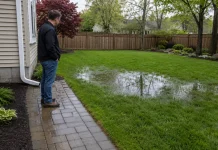
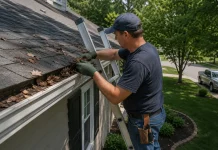
Keep gutters, downspouts, roof drainage, and ground drainage working correctly. Water should not repeatedly overflow toward walls or collect near the building.
External inspection must remain ground-based unless a qualified professional has safe access equipment.
Confirm Drying Before Cosmetic Repair
Correct the moisture source before repainting or replacing damaged finishes. Drying the visible surface may not be enough. Cabinets, drywall, insulation, flooring, and enclosed cavities may require further assessment.
The Right Response Starts With the Evidence
Frequently Asked Questions
Can a Damp Smell Mean There Is a Hidden Leak?
Yes. A recurring damp smell can indicate concealed moisture, but it does not identify the source. Check timing, nearby water sources, and material changes.
How Can I Tell Whether a Water Stain Is Active?
An active stain may darken, expand, or change after rain or fixture use. Compare safe dated photographs and arrange assessment if changes continue.
Does Bubbling Paint Always Mean a Plumbing Leak?
No. Plumbing leaks, rain entry, and condensation can all cause bubbling paint. Location and timing suggest the next contact, not a confirmed cause.
Is Condensation the Same as Damp?
Condensation forms when moist air meets a colder surface. Leaks, rain entry, drainage faults, and trapped water can also create damp conditions.
Can Water Travel Away From the Original Leak?
Yes. Water can move along pipes, framing, flooring, and insulation before becoming visible. The first stain may not sit directly beneath the source.
Should I Use a Household Moisture Meter?
A moisture meter can compare accessible areas, but cannot identify the source. Materials, salts, metal, and tool settings can affect readings.
When Is Moisture Damage an Emergency?
Treat spreading water, wet electricity, ceiling entry, sewage, sagging materials, unsafe access, and essential-service loss as emergency warning signs.
Who Checks Moisture Behind Walls?
The correct professional depends on the likely source. It may be a plumber, roofer, electrician, drainage professional, or restoration specialist.
Should I Paint Over an Old Water Stain?
Only after the source has been corrected and the material has been confirmed dry. Painting too early can hide recurrence and trap an unresolved problem behind the finish.
How Quickly Should Wet Materials Be Dried?
The EPA recommends drying wet or damp materials within 24 to 48 hours when this can be done safely. Significant spread, hidden wet materials, sewage, or contaminated water may require professional help.

