




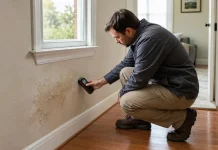


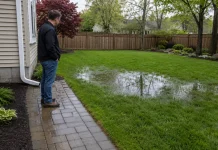
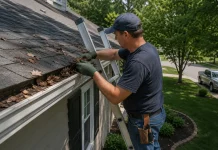
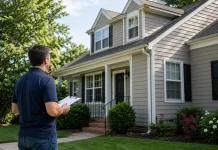






Learning how to manage rental property starts with one operating system for the building, tenants, maintenance, money, and records. Without that structure, every message feels urgent and every repair becomes a separate decision.
A reliable process records what happened, who is responsible for the next action, when follow-up is due, and whether the property returned to a safe and functional condition.
What System Should Manage a Rental Property?
Effective rental property management keeps four tracks connected. A missed detail in one track usually creates work in another.
A property management guide should not treat these as unrelated folders. The practical answer to how to manage rental property is to keep access, contractor scheduling, cost approval, photos, invoices, and follow-up in one connected record.
How Does Rental Management Change Through the Tenancy?
Managing rental properties becomes more predictable when each stage has its own checklist, evidence, and handoff point. The same information should not need to be rebuilt after every tenant change.
What Should Be in the Property Management File?
For landlords asking how to manage rental property without relying on memory, the property file is the starting point. Build it before routine messages and repairs begin.
Property and System Details
Record the address, unit identifiers, utility shutoffs, appliance models, heating and cooling systems, roof and drainage notes, access points, meters, alarms, warranties, and important service dates.
Add photographs that help a contractor or manager find the correct component without entering unrelated areas.
People and Contact Routes
Keep verified tenant contacts, owner decision-makers, emergency contacts, preferred contractors, utility providers, insurers, and any building or association contacts.
Define which route tenants should use for routine questions, repairs, and genuine emergencies.
Tenancy and Condition Records
Keep the signed lease, amendments, move-in condition report, key record, inventory, notices, inspection reports, photographs, correspondence, and move-out comparison.
Access, notice, deposit, and retention rules vary by location. Store the local requirements beside the process they control.
Maintenance and Financial Records
Record requests, work orders, estimates, approvals, contractor attendance, completion evidence, warranties, invoices, rent, deposits, expenses, and owner statements.
The IRS explains that good records support reporting rental income and expenses. Review its rental real estate recordkeeping guidance.
How Should Landlords Communicate With Tenants?
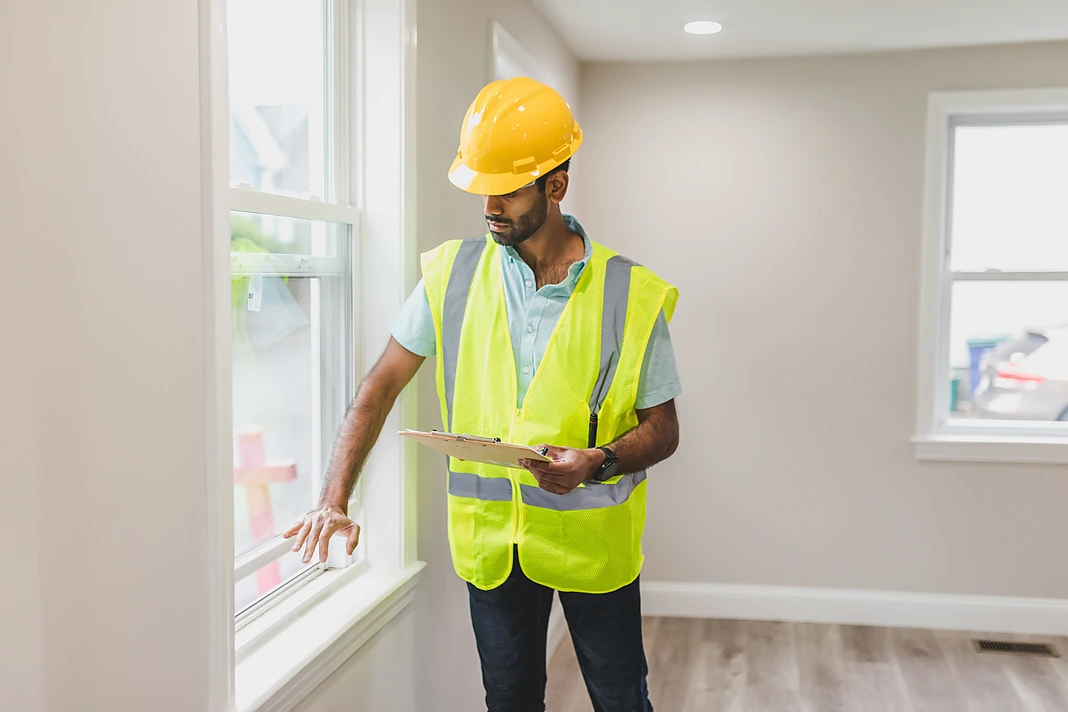
How to manage tenants is mainly a question of clarity and consistency. Tenants should know where to report a problem, what information to provide, and when they will receive an update.
Use One Reporting Route
Keep routine repair requests in one portal, email address, form, or documented channel. Separate true emergency instructions so they are easy to find.
Reply With the Next Action
Confirm receipt, ask only necessary questions, state the current priority, explain access arrangements, and give the next update point.
Keep Decisions Consistent
Use the same screening, communication, inspection, approval, and enforcement process for comparable situations.
Housing decisions and management practices must remain fair and non-discriminatory. HUD explains that the Fair Housing Act applies to renting and other housing-related activities. Review the HUD Fair Housing Act overview.
Entry notice, inspection access, repair deadlines, deposits, fees, screening, lease enforcement, habitability, licensing, and privacy requirements vary by jurisdiction.
Use this guide to organize management work, then verify the law and lease terms that control each action.
How Should Repair Requests Be Prioritized?
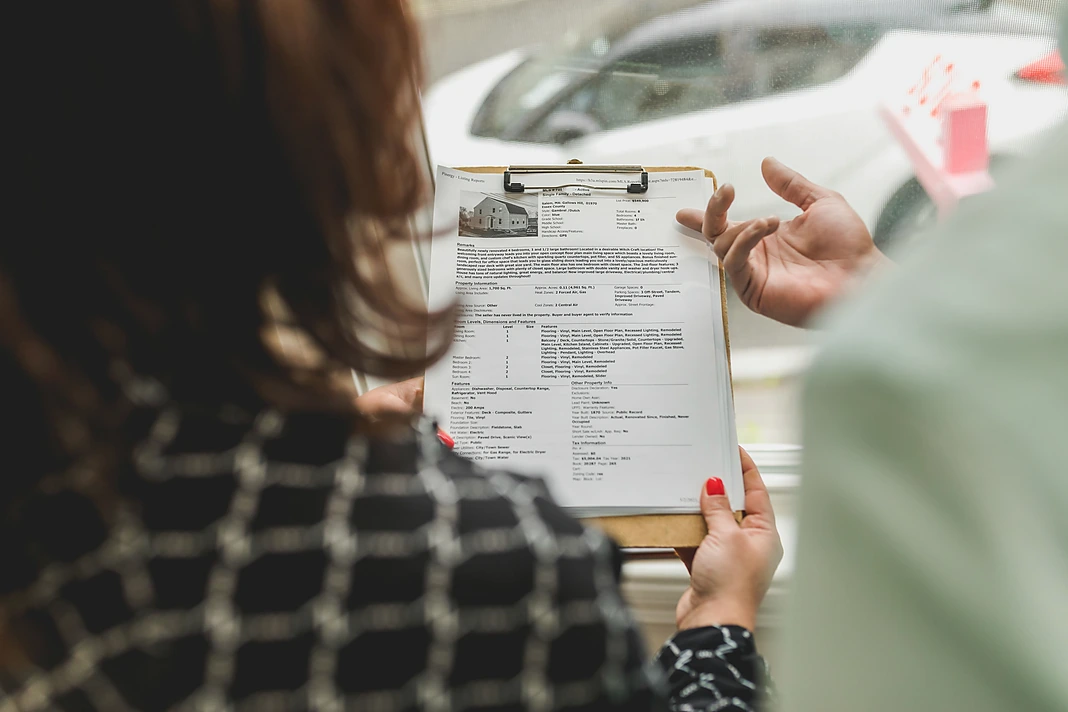
The main guide needs a simple triage system. Use the landlord repair responsibilities guide for responsibility boundaries, tenant-caused damage, local repair rules, and response-time factors.
| Priority | Typical evidence | Immediate management action | Follow-up standard |
|---|---|---|---|
| Emergency | Immediate threat to people, active fire, suspected gas escape, major uncontrolled water, electrical danger, or unsafe access | Tell occupants to use emergency services or utility emergency procedures where appropriate, restrict access, and contact the correct emergency contractor | Record actions and continue updates until the immediate risk is controlled |
| Urgent | Loss of an essential service, active leak, failed security, unsafe fixture, significant heating or cooling concern, or rapidly worsening damage | Confirm the facts, reduce further damage, arrange prompt attendance, and document access | Track attendance, temporary controls, parts, return visits, and completion evidence |
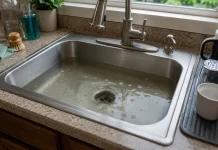
| Routine | Functional problem without immediate danger, minor plumbing fault, appliance issue, door adjustment, local damp mark, or isolated defect | Create a work order, confirm priority, schedule access, and advise the tenant | Close only after completion, tenant update, invoice, and record entry |
| Planned | Preventive work, cosmetic repair, end-of-life component, seasonal service, improvement, or work grouped for turnover | Add to the maintenance plan with budget, scope, target period, and approval route | Review during planning and before the condition becomes urgent |
Do not classify a problem from a short label alone. “Leak,” “no power,” or “broken lock” can describe very different risk levels. Ask where the problem is, what is happening now, when it started, what has been affected, and whether anyone is in danger.
How Should Rental Property Maintenance Be Scheduled?
A core part of how to manage rental property is combining calendar-based maintenance, condition-based work, tenant reports, and post-repair checks. A calendar alone will miss developing defects, while reactive work alone allows preventable failures to grow.
1. Build the Asset List
List major systems, appliances, exterior components, alarms, drainage features, access equipment, and shared areas. Record model details, age where known, warranties, and service history.
2. Set Recurring Checks
Schedule manufacturer servicing, seasonal preparation, safety checks, cleaning, exterior observations, and common-area tasks according to the property and local requirements.
3. Connect Tenant Reports
Repeated complaints, slow changes, unusual sounds, moisture, higher utility use, and recurring resets may show that a planned task needs earlier investigation.
4. Review Cost and Condition
Compare repeat repairs, downtime, remaining service life, tenant disruption, safety, and replacement cost before continuing to patch the same component.
5. Close and Reschedule
Record what was completed, what remains, warranty details, photographs, invoice data, and the next review date.
For most pre-1978 housing, federal lead disclosure requirements may apply before a lease is signed. The EPA provides current lead-based paint disclosure guidance. State and local requirements may add other duties.
When Should Rental Property Inspections Happen?
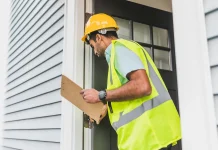
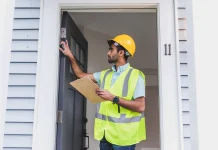
A rental property management checklist should connect inspections to the tenancy lifecycle rather than using one repeated room list for every visit. Use the rental property inspection checklist for move-in, routine, post-repair, and move-out checks.
Inspection frequency and notice must match the property, lease, tenant circumstances, and applicable law. Avoid unnecessary visits. Each inspection should have a defined purpose and a written result.

How Should Contractors and Work Orders Be Managed?
Property management for landlords often fails between approval and completion. A contractor may attend, but the property file still lacks a confirmed scope, access record, completion evidence, or invoice match.
Use qualified and appropriately insured contractors for the work involved. Do not ask a general handyman to diagnose regulated electrical, gas, structural, environmental, or other specialist risks beyond their competence.
What Records Should a Landlord Keep?
How to manage rental property consistently depends on records that can answer five questions: what happened, when it happened, who knew, what was decided, and whether the issue was closed.
| Record group | What to retain | Why it matters operationally |
|---|---|---|
| Property baseline | System details, warranties, manuals, keys, utility points, condition photos, inventories, and service history | Reduces repeated investigation and helps contractors identify the correct asset |
| Tenant and tenancy | Lease, amendments, contacts, notices, access records, move-in and move-out documentation, and correspondence | Shows the agreed terms, communication trail, and property condition through the tenancy |
| Repairs and maintenance | Requests, photos, priority, work orders, estimates, approvals, attendance notes, invoices, and completion evidence | Connects the original problem to the completed response and cost |
| Inspections | Purpose, notice, date, attendees, checklist, photos, findings, actions, and follow-up | Turns observations into accountable maintenance and safety actions |
| Financial records | Rent, deposits, expenses, owner contributions, contractor payments, statements, receipts, and tax-supporting documents | Supports reconciliation, budgeting, reporting, and owner decisions |
| Compliance and safety | Required disclosures, certificates, test records, alarm records, incident notes, and local registrations | Shows what was checked, disclosed, renewed, or escalated |
Name records with the property, date, area, and event. Keep photographs with the matching inspection or work order rather than in an unlabelled camera folder.
Do not mark an issue closed merely because a contractor attended. Closure should confirm the result, tenant update, cost, evidence, and remaining action.

How Should Rent, Expenses, and Reserves Be Managed?
Keep property money separate, traceable, and reconciled. Record the rent due, amount received, payment date, balance, approved credits, deposits, owner contributions, contractor payments, and recurring bills.
Build a reserve around the property’s real systems rather than using one arbitrary figure. Consider the age and condition of heating, cooling, appliances, roof, plumbing, exterior components, and any planned turnover work.
Review repeated maintenance spending by component. A pattern of callouts, parts, downtime, and tenant disruption may support replacement even when each individual repair appears affordable.
How Should Emergencies Be Managed?
An emergency plan should be visible before an incident occurs. Tenants and managers need clear instructions for danger, utility emergencies, access, and after-hours contact.
For fire, suspected gas, severe electrical danger, major flooding, structural instability, violence, or immediate threats to life, occupants should use the appropriate emergency services or utility emergency route.
The property manager should not delay emergency action while seeking a normal estimate or owner approval. After immediate control, document the event, secure the property, arrange specialist assessment, notify relevant parties, and plan temporary accommodation or access where required.
Never instruct a tenant to enter a dangerous area, operate unfamiliar electrical equipment, climb onto a roof, or perform specialist repairs.
Can a Landlord Self-Manage the Property?
When deciding how to manage rental property yourself, test the whole operating system rather than one easy task. Self managing rental property requires enough time, local access, reliable contractors, organized records, and dependable coverage during vacancies, emergencies, travel, illness, and overlapping repairs.
Self-Management Is Working
- Requests are acknowledged and tracked
- Inspections and maintenance stay current
- Records are complete and searchable
- Contractors are reliable
- Rent and expenses reconcile
- Emergency coverage exists
The System Needs Support
- Follow-up depends on memory
- Repairs repeatedly reopen
- Invoices lack matching work orders
- Tenant updates are inconsistent
- Turnover creates rushed decisions
- Local rules are difficult to track
Professional Management May Be Safer
- The property is remote
- Several units compete for attention
- Emergencies cannot be covered
- Records are incomplete
- Contractor control is weak
- Conflict or compliance risk is growing
Before hiring a property manager, define the scope. Ask who handles tenant communication, repairs, inspections, emergency calls, approvals, contractor selection, rent collection, statements, records, and after-hours attendance.
A Rental Property Needs One Operating System
Frequently Asked Questions
What Is the First Step in Managing a Rental Property?
Create one property file containing system details, tenancy documents, contacts, condition records, maintenance history, emergency information, and financial records.
How Do You Manage Tenant Repair Requests?
Use one reporting route, confirm the evidence, assign a priority, arrange access, create a work order, update the tenant, verify completion, and save the final record.
How Often Should a Rental Property Be Inspected?
Use move-in, routine, post-repair, and move-out inspections according to the property, lease, risk, tenant circumstances, and local notice and access requirements.
What Should Be Included in Rental Property Maintenance?
Include preventive servicing, seasonal work, safety observations, cleaning, exterior checks, tenant-reported defects, post-repair verification, and replacement planning.
What Records Should Landlords Keep?
Keep property details, leases, notices, inspection reports, photographs, repair requests, work orders, estimates, approvals, invoices, rent records, deposits, and compliance documents.
How Should Contractors Be Managed?
Define the scope, confirm authority and qualifications, coordinate access, record findings, approve changes, verify completion, match the invoice, and save warranty details.
What Makes a Rental Repair an Emergency?
An emergency involves immediate danger to people or major uncontrolled property risk, such as fire, suspected gas, severe electrical danger, major flooding, or structural instability.
Can a Landlord Manage a Rental Property Remotely?
How to manage rental property remotely depends on dependable local contractors, emergency coverage, digital records, clear tenant communication, controlled access, and someone who can inspect completed work.
When Should a Landlord Hire a Property Manager?
Professional help may be appropriate when distance, unit count, emergencies, contractor control, documentation, tenant conflict, or compliance demands exceed the landlord’s capacity.
Is This Rental Property Management Guide Legal Advice?
No. It explains operating systems. Landlords must verify local laws covering entry, notice, repairs, deposits, screening, privacy, habitability, licensing, and record retention.

