






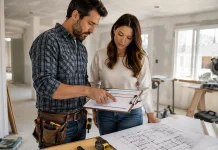
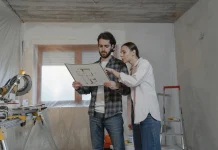


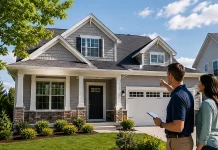

The safest way to increase value is to remove condition risk before adding visible upgrades. Buyers and appraisers notice unresolved defects, weak function, poor presentation, and missing records before they reward expensive finishes.
This guide explains how to increase home value through repair priorities, buyer appeal, energy performance, practical function, and appraisal-ready evidence.
Where Should You Start Before Planning Upgrades?
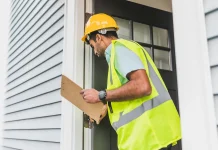
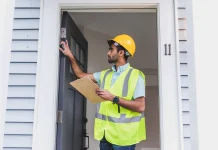
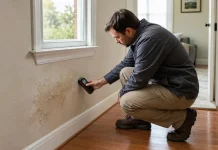
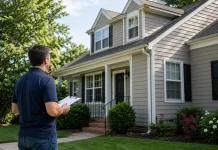
Begin with a condition baseline. Walk through the property and identify active water, safety concerns, structural movement, failed systems, damaged exterior materials, and maintenance that is already overdue.
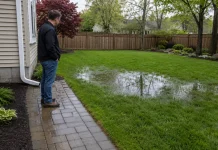
A cosmetic project cannot reliably offset a roof leak, unsafe wiring, poor drainage, or a failing system. Owners deciding how to increase home value should protect the building before they improve appearance.
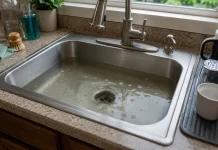
Address leaks, drainage failures, electrical heat, unsafe access, and conditions that continue to spread.
Fix systems, doors, windows, lighting, fixtures, ventilation, and components that buyers expect to work.
Clean, repair finishes, simplify clutter, improve lighting, and strengthen the first impression.
Keep permits, invoices, warranties, product information, service records, and dated photographs.
Decision rule: a project moves forward only after higher-consequence defects are controlled and the proposed improvement fits the property, neighborhood, budget, and likely buyer.
What Actually Influences Home Value?
Home value does not come from one room or one upgrade. It reflects how the property compares with similar homes and how much uncertainty a buyer or appraiser sees.
Dry, sound, safe, maintained components reduce repair uncertainty and protect the property from further loss.
A tidy exterior, clear entry, healthy landscaping, and maintained finishes shape the first inspection.
Useful storage, reliable systems, good lighting, workable layouts, and convenient fixtures support daily use.
Insulation, air sealing, efficient equipment, controls, and ventilation can improve comfort and operating costs.
Projects perform better when their quality, scale, and style match comparable homes and local buyer expectations.
Clear records help others understand what changed, when work occurred, and whether qualified people completed it.
How Do You Rank Projects Without Overspending?
Use a value-priority matrix rather than chasing the most visible idea. Score each project by consequence, buyer visibility, market fit, operating benefit, and documentation quality.
This approach helps owners decide how to increase home value without turning every improvement into a large renovation.
| Project type | Primary value effect | Priority rises when | Priority falls when | Evidence to keep |
|---|---|---|---|---|
| Required repair | Protects condition and reduces risk. | Damage is active, safety is affected, or another system depends on the repair. | The condition is stable, cosmetic, and professionally monitored. | Diagnosis, scope, permit, invoice, photographs, and warranty. |
| Functional improvement | Makes the home easier and more reliable to use. | Layout, storage, lighting, ventilation, or fixtures create daily friction. | The project adds complexity without solving a real use problem. | Product details, installation record, manuals, and completion photos. |
| Presentation improvement | Improves first impressions and buyer confidence. | The defect is visible, inexpensive to correct, and repeated across the property. | The finish is highly personal or hides unresolved damage. | Before-and-after photos, paint or material details, and receipts. |
| Efficiency improvement | Can improve comfort, control, and operating performance. | An assessment identifies a clear weakness and the measure fits the home. | The upgrade is isolated, oversized, or installed before basic air and moisture issues are addressed. | Assessment, equipment data, contractor record, incentives, and test results. |
| Optional lifestyle upgrade | Adds personal use or niche appeal. | The owner expects long use and the project fits comparable properties. | The sale is near, the design is specialized, or the cost exceeds likely market support. | Design scope, approvals, product details, and realistic cost record. |
Swipe horizontally to view the full table.
How Can Exterior Condition Improve Buyer Appeal?
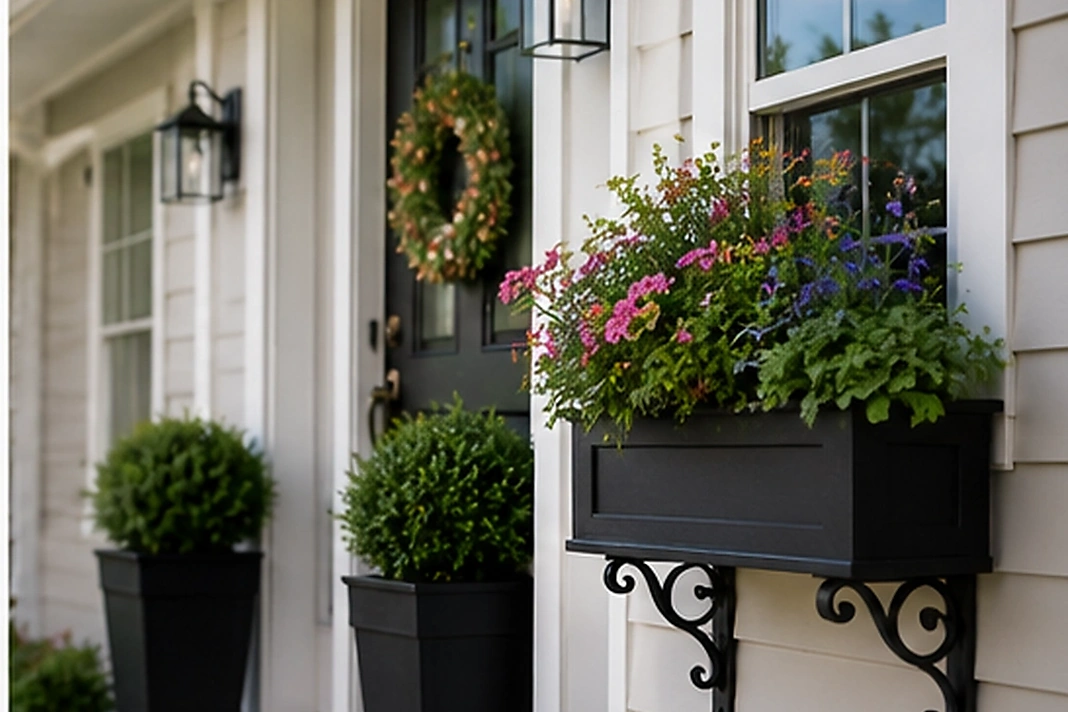
The exterior sets expectations before a buyer enters. Clean windows, maintained trim, clear paths, working lighting, visible drainage, and controlled vegetation signal routine care.
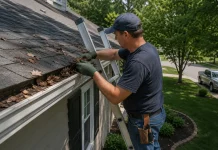
Low-cost exterior work can include washing hard surfaces, repairing small finish defects, refreshing the entry, trimming plants, replacing failed lamps, and removing stored materials.
What Should You Repair Before Painting?
Do not paint over rot, loose material, active moisture, failed sealants, or movement. Correct the cause first, replace damaged material where needed, and use compatible products.
Which Interior Improvements Usually Deserve Attention?
Interior priorities should improve function and consistency. Buyers notice damaged flooring, poor lighting, unfinished repairs, difficult storage, dated hardware, and rooms that feel neglected.
How Should You Approach Kitchens and Bathrooms?
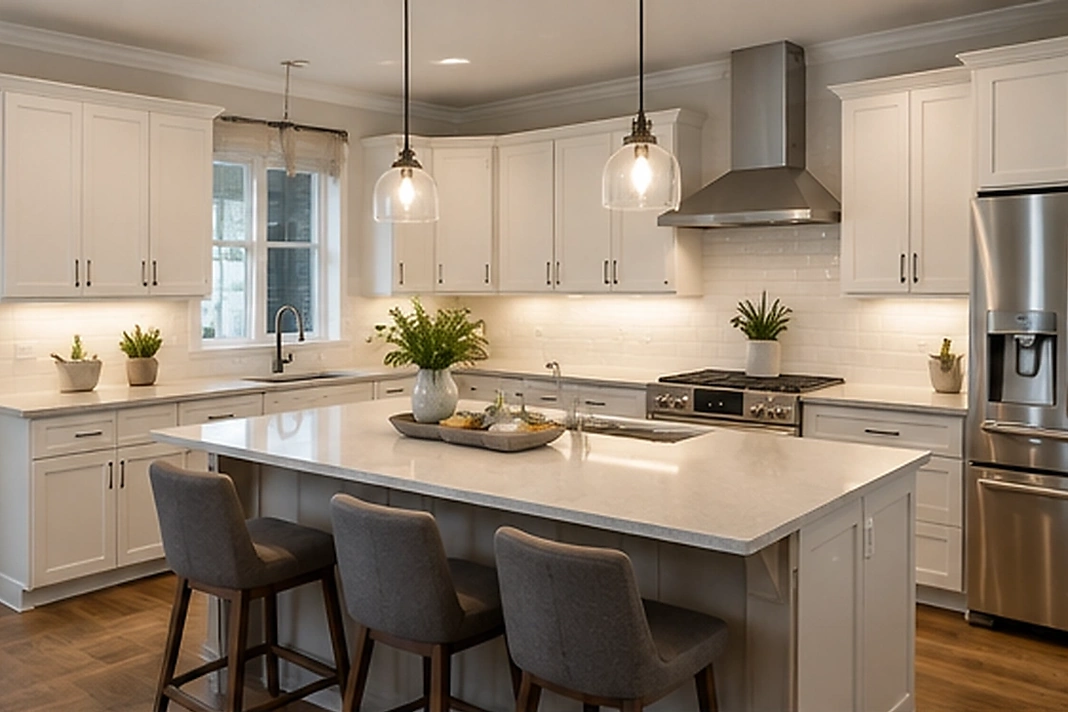
Focus first on leaks, ventilation, safe electrical protection, stable surfaces, working doors and drawers, usable lighting, and clean finishes. A complete remodel is not the only way to improve function.
Why Do Paint, Lighting, and Flooring Matter?
These elements cover large visual areas. Repair damaged surfaces, use consistent neutral finishes where appropriate, improve dark zones, and correct trip hazards before adding decorative details.
Can Energy Improvements Support Home Value?
Efficiency work can improve comfort and operating performance, but the best sequence starts with an assessment. This matters when planning how to increase home value because air leakage, insulation, equipment, moisture, ventilation, and controls interact.
The U.S. Department of Energy explains that a professional home energy assessment can identify where a home loses energy and which improvements deserve priority. Review the current DOE home energy assessment guidance.
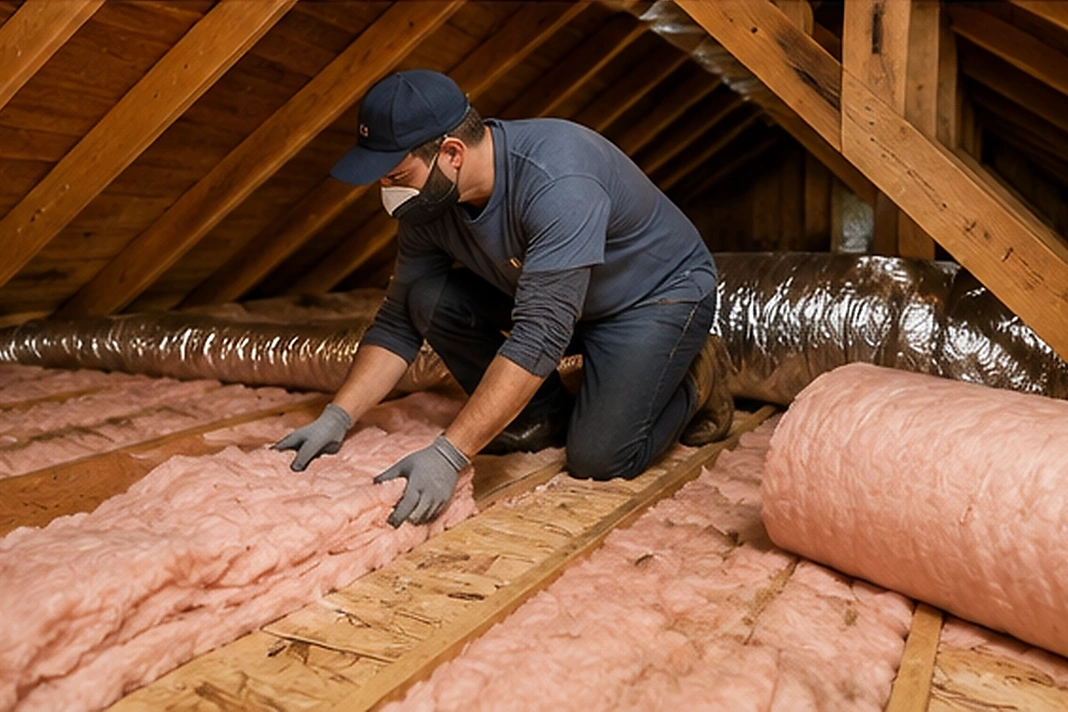
ENERGY STAR also organizes existing-home improvements around whole-home performance rather than isolated products. Use the current ENERGY STAR home-improvement guidance when comparing options.
Why Do Safety and Function Come Before Luxury?
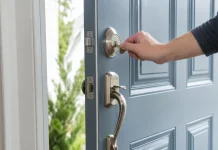
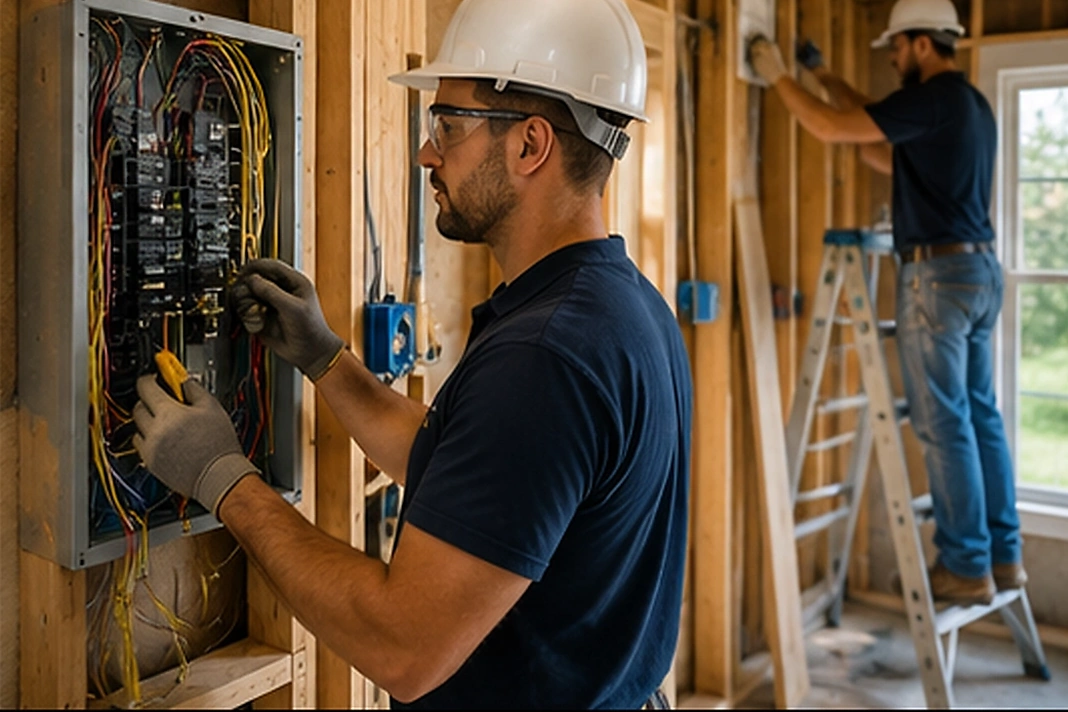
Visible luxury cannot compensate for unsafe wiring, missing protection, unstable railings, blocked exits, faulty locks, poor ventilation, or equipment that does not work.
Qualified professionals should handle regulated electrical, structural, fuel-burning, roofing, and major plumbing work. Keep permits and inspection records where local rules require them.
No value guarantee: repairs and upgrades can improve condition or marketability, but they do not guarantee a specific sale price, appraisal result, or full cost recovery.
How Do You Avoid Improvements That Do Not Fit the Market?
Before approving a project, compare the property with similar nearby homes. Look at condition, size, finish level, layout, parking, outdoor space, and features that buyers commonly expect.
Projects with weak market fit can still be worthwhile for comfort or personal use. Treat them as lifestyle decisions rather than guaranteed value investments.
How Can Records Support Appraisal Readiness?
An appraiser forms an independent opinion from the property, market evidence, condition, and available information. Records support a factual answer to how to increase home value, but owners should not assume that every dollar spent creates the same increase.
Fannie Mae requires appraisers to consider property condition holistically and identify deferred maintenance or repairs that affect soundness, safety, or structural integrity. Review the current Fannie Mae property-condition guidance.
What Belongs in the Improvement Evidence Packet?
List the improvement, completion date, reason, scope, and contractor or responsible party.
Keep permits, inspection results, specifications, invoices, warranties, manuals, and test data.
Use dated before-and-after photographs and records showing that the original defect was resolved.
Freddie Mac advises sellers to prepare a concise list of improvements with dates for the appraiser. Review the current Freddie Mac appraisal preparation guidance.
Keep the packet factual: describe completed work and provide evidence. Do not instruct the appraiser what value to assign.
What Should You Do Before Listing the Property?
A short pre-sale review should reduce uncertainty, not create a rushed renovation program. Use the review to close visible defects and organize evidence.
List active defects, visible wear, safety concerns, failed function, and missing records. Rank by consequence and buyer visibility.
Finish approved repairs, cleaning, touch-ups, lighting corrections, entry improvements, and small function upgrades.
Confirm work quality, remove project debris, photograph results, organize invoices, and prepare the improvement summary.
The same sequence applies when deciding how to increase home value before selling: protect condition, improve broad usefulness, strengthen presentation, and document completed work.
How to Increase Home Value FAQs
What is the first thing I should fix?
Start with active water, safety, structural, drainage, electrical, roof, and system failures before cosmetic work.
Do I need a full renovation?
No. Repairs, cleaning, lighting, storage, ventilation, consistent finishes, and clear records can improve condition and buyer appeal.
Which low-cost changes are most visible?
Clean surfaces, repaired trim, working lights, fresh sealants, tidy landscaping, clear paths, and corrected finish damage are highly visible.
Does a new kitchen guarantee a higher appraisal?
No. Appraisal results depend on the whole property, market evidence, condition, quality, and comparable sales.
Should I make upgrades before selling?
Complete practical repairs and broad-appeal improvements. Avoid rushed, highly personal, or oversized projects without market support.
Can energy efficiency improve buyer appeal?
It can improve comfort and operating performance. Use an assessment and document equipment, insulation, air sealing, and test results.
What records should I save?
Keep permits, invoices, warranties, manuals, service reports, product details, assessment results, and dated photographs.
How do I avoid over-improving?
Compare similar homes, match local finish levels, solve real weaknesses, and separate personal-use spending from value-focused spending.
Can maintenance increase property value?
Maintenance mainly protects condition and prevents value loss. It also reduces uncertainty for buyers, inspectors, and appraisers.
How can I raise home appraisal value?
You cannot control the result. Present a maintained property and a factual, dated summary of completed improvements.
Scope boundary: local markets, property type, condition, workmanship, permits, timing, and buyer preferences affect value. Obtain local professional advice before major spending.

