


















Must Reads ActivePropertyCare helps property owners find the right guide for the problem in front of them. Start with anything that affects safety or causes active damage. Water leaks, failed locks, unstable rails, and electrical warnings need early attention. Seasonal care and property upgrades can follow once urgent risks are under control.
At a Glance
- Read a safety guide first when people or access are at risk.
- Start with water guidance when a leak or damp area is spreading.
- Use rental maintenance guides to record and prioritise tenant reports.
- Complete essential repairs before spending on cosmetic improvements.
- Contact qualified help when the problem is unsafe or keeps returning.
A ceiling stain after rain needs different guidance from peeling paint. Broken locks deserve faster attention than cosmetic damage. Water gathering beside an outside wall also carries more risk than an untidy garden bed.
Property owners rarely need every article at once. They need the guide that matches the current problem and explains why it deserves attention first.
What Does Must Reads ActivePropertyCare Mean?
 Must Reads ActivePropertyCare is a priority reading hub for the most useful ActivePropertyCare guides.
It helps homeowners understand common maintenance problems. Landlords can use it to handle rental concerns. Other guides focus on gardens, outdoor areas, and land around the property.
A guide becomes a must-read when it deals with an issue that can affect safety, access, water damage, or an essential home system. Tenant living conditions and long-term repair costs also affect its priority.
Decorative finishes can wait when a roof stain is spreading. Garden styling comes after water is redirected away from the building. A broken entrance lock also needs attention before a minor paint repair.
The purpose is simple: Read the guide that matches the highest-risk issue first.
Why Does the Reading Order Matter?
Small problems are easy to underestimate because the first warning sign often looks manageable.
Water under a sink can soften the cabinet base before the damage becomes obvious. Slight movement in a stair rail can turn into a fall risk. Gutters may overflow for several storms before marks appear on the wall.
A practical reading order starts with:
- Immediate safety concerns
- Active water or moisture
- Access and security problems
- Essential systems that stop working
- Tenant maintenance complaints
- Weather-related risks
- Preventive maintenance
- Cosmetic improvements
This order prevents appearance-based work from hiding a more serious problem.
The ActivePropertyCare Must-Read Priority Map
The ActivePropertyCare Must-Read Priority Map helps property owners find the right guide without searching through unrelated advice.
| Property Situation | Guide to Read First | Main Risk | First Useful Outcome |
|---|---|---|---|
| Water is actively leaking | Leak control guide | Damage can spread quickly | Control the water and find the source |
| A lock or rail is broken | Safety and access guide | Security or fall risk | Restrict use and arrange repair |
| A breaker keeps tripping | Electrical warning guide | Overheating or electrical failure | Stop repeated resets and seek qualified help |
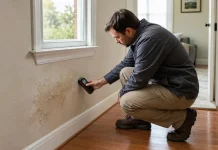
| A ceiling stain appears after rain | Roof and moisture guide | Hidden water entry | Record the pattern and inspect the source |
| Water collects beside a wall | Drainage guide | Moisture remains near the building | Trace where the water comes from |
| A tenant reports damage | Rental repair guide | Delayed response or weak records | Log the request and set its urgency |
| Severe weather is approaching | Seasonal care guide | Preventable weather damage | Check weak areas before conditions worsen |
| A renovation is being planned | Repairs-before-upgrades guide | New work may cover old defects | Repair the fault before improving the finish |
| Maintenance feels overwhelming | Property care schedule guide | Important checks may be missed | Create a manageable routine |
This map turns a long reading list into a practical decision tool.
Compare the Main Guide Types
| Guide Type | Read It When | What It Helps Prevent |
|---|---|---|
| Water and moisture | A leak, stain, damp smell, or puddle appears | Hidden damage and rising repair costs |
| Property safety | A lock, rail, light, or electrical system fails | Injury and security problems |
| Rental maintenance | A tenant reports damage or an issue returns | Missed requests and delayed repairs |
| Seasonal care | Heavy rain, heat, or cold is approaching | Weather-related damage |
| Outdoor and land care | Water flow, paths, plants, or gates need attention | Drainage problems and unsafe access |
| Property upgrades | Renovation or cosmetic work is being planned | Covering old defects with new finishes |
Must Reads for Water and Drainage Problems
Water-related guides belong near the top because moisture can travel beyond the place where it first appears.
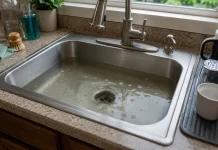
Water Under a Sink
Remove stored items from the cabinet and place a container below the drip. Dry the surface so fresh moisture becomes easier to spot.
Soft wood suggests that the leak has been present for some time. Swollen panels or wet flooring also point to a repair that should not be delayed. Stop normal use if water continues to appear.
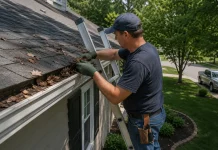
Gutters Overflowing During Rain
Watch where the water leaves the gutter from a safe position.
A blocked outlet can force water over the edge. A poorly directed downspout may send it back toward the property.
Avoid roof access during rain. Unstable ladders and difficult heights also require professional support.
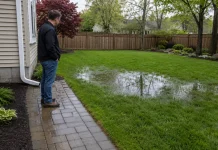
Water Beside an Outside Wall
A puddle that returns after every storm is more than a garden nuisance.
Check the direction of the soil slope. Look at nearby gutter outlets and visible surface drains. Plants may also restrict water movement.
Photos taken during rain often show the water path more clearly than a dry-weather inspection.
Water guides help the reader protect the area first. They also show what to record and when service support is needed.
Must Reads for Property Safety
Safety guides come before appearance-based maintenance because they affect security and safe movement around the property.
Broken Locks
A main entrance lock that no longer closes properly needs immediate attention.
Record whether the door closes fully. Check whether the key turns and whether the problem affects entry. Rental owners should acknowledge the report and arrange timely service.
Loose Stair Rails
Movement in a stair rail should not be dismissed because the rail still looks attached.
Keep people from leaning on it until the fitting has been checked. Note where it moves and when the problem first appeared. Record whether someone depends on the rail for safe access.
Repeated Breaker Trips
One safe reset after unplugging connected devices can help identify a simple overload.
Stop if the breaker trips again. Warmth, buzzing, sparks, or a burning smell also mean the system needs a qualified electrician.
Electrical panels and wiring should not be opened by an untrained person.
Must Reads for Landlords and Rental Maintenance
Landlords often receive several requests at once, but those messages do not carry equal risk.
A broken lock affects security. A slow drain can become a blockage. Peeling paint still deserves attention, but it usually comes after safety or water concerns.
ActivePropertyCare landlord guides help rental owners:
- Record when the problem was reported.
- Note the exact room or outdoor area.
- Ask the tenant for clear photos.
- Separate urgent work from routine maintenance.
- Track contractor visits.
- Confirm when the repair is complete.
- Review problems that keep returning.
A Practical Repair Order
- Security and access problems
- Active leaks and water damage
- Electrical or heating concerns
- Loose rails and other safety risks
- Blocked drains or failed essential systems
- Routine maintenance
- Cosmetic repairs
Legal duties and response times vary by location. Local housing rules and lease terms remain important. Qualified legal advice is safer for compliance questions.
Must Reads for Seasonal Property Care
Seasonal guides help owners act before weather exposes weak parts of the property.
Before Heavy Rain
- Clear visible drainage routes.
- Check each gutter outlet.
- Look at the soil level near exterior walls.
- Inspect window and door seals.
- Test outdoor lights.
Before Colder Weather
- Check exposed pipes.
- Review heating performance.
- Inspect the roof and gutters.
- Test doors and locks.
- Look for gaps around windows.
Must Before Hotter Weather
- Check ventilation and cooling systems.
- Review outdoor water use.
- Remove dry debris near structures.
- Inspect shaded areas for moisture.
- Check gates and paths.
Each task needs a reason. Clearing a gutter outlet before heavy rain helps stop water from overflowing against the wall. Testing outdoor lights before darker evenings supports safer access.
Must Reads for Outdoor and Land Care
Outdoor care affects the building as well as the space around it.
A tidy yard can still hide poor water flow. Dense plants near a wall may trap moisture and block inspection. Failed pathway lights create risk even when the path looks clean.
Drainage Before Decoration
Observe where rainwater moves before adding borders, paving, or new planting.
Decorative work can trap moisture if the existing drainage path is poor. Correct the water flow before changing the appearance of the area.
Safe Paths and Entry Points
Check paving for cracks or movement. Look for loose steps and unstable gates.
Inspect entry routes during daylight and after dark. A path that feels safe during the day can become difficult to use when lighting fails.
Plants Near Buildings
Trees and shrubs need enough space from walls. Climbing plants also require regular control.
Heavy growth can restrict airflow and hide damage. It may also hold moisture against the building. Roots and branches can affect paths, gutters, fences, or roof edges.
Must Reads Before Property Upgrades
Repairs come before cosmetic upgrades.
A kitchen renovation will not solve a leaking supply line. New landscaping cannot correct water moving toward the wall. Fresh paint may hide a stain, but it will not stop moisture entering after rain.
Use this order before spending on improvements:
- Fix safety problems.
- Control water and moisture.
- Restore essential systems.
- Correct access problems
- Improve outdoor drainage.
- Complete routine maintenance.
- Plan cosmetic work.
This sequence protects the upgrade budget. It also reduces the chance of reopening finished work to repair an older fault.
Common Property Care Mistakes These Guides Help Prevent
 Many costly repairs begin with a warning sign that was misunderstood or delayed.
Common mistakes include:
- Painting over a water stain without finding the source
- Resetting a breaker several times
- Treating a loose rail as cosmetic damage
- Ignoring a slow drain until it blocks
- Allowing gutters to overflow through several storms
- Keeping tenant reports only in informal messages
- Starting renovations before correcting existing defects
- Losing repair photos and invoices
- Checking outdoor areas only for appearance
- Waiting for bad weather before preparing the property
A useful guide gives each warning sign a clear next action.
The ActivePropertyCare Read, Check, and Act Method
The Read, Check, and Act Method keeps a large guide library manageable.
Read the Guide That Matches the Highest-Risk Problem
Start with the issue that can cause the most harm.
Water and safety problems usually come first. Access concerns and failed essential systems also need early attention.
Check the Exact Area Involved
Record when the problem started and what changed.
Notice whether the weather makes it worse. Daily use may also reveal a pattern.
Useful records include:
- Photos
- Dates
- The room or outdoor location
- Tenant messages
- Earlier repair notes
- Relevant weather conditions
- Visible moisture or movement
- Unusual smells or heat
Act According to Risk
Simple maintenance can follow the guide when the task is safe and clear.
Qualified help is the better choice for electricity or gas. Active leaks also need proper attention. Roof problems, structural movement, and failed security systems should not be handled through guesswork.
Related ActivePropertyCare Reading
After choosing the right priority guide, these pages can provide more context:
- How To Guides ActivePropertyCare explains safe first steps and service decisions.
- Berksaw ActivePropertyCare explains Brendan Berksaw’s connection with Active Property Care.
- ActivePropertyCare About explains the site’s home and land care focus.
- Contact ActivePropertyCare.com provides official contact and support information.
Final Thoughts
Must Reads ActivePropertyCare helps homeowners and landlords find the guide that matches the most important property problem first.
Start with anything that threatens safety or causes active damage. Deal with access and essential systems next. Tenant concerns need a clear record and timely response.
Seasonal care and outdoor maintenance follow once urgent risks are controlled. Property improvements come last.
Choose one guide. Inspect the exact area. Keep a clear record and act according to the risk.
FAQs
What does Must Reads ActivePropertyCare mean?
Must Reads ActivePropertyCare is a priority hub for the most useful ActivePropertyCare guides. It covers urgent repairs, routine maintenance, rental concerns, seasonal preparation, and outdoor care.
Which ActivePropertyCare guide should I read first?
Read the guide that matches the highest-risk issue. Safety concerns and active leaks come first. Security problems and electrical warnings also need early attention.
Are ActivePropertyCare must reads only for homeowners?
No. The guides also support landlords and tenants. Rental owners and people responsible for outdoor property areas can use them as well.
Which guides are most useful for landlords?
Landlords should start with repair-priority guides. Guidance about tenant reports and recurring problems is also useful. Locks, leaks, rails, and essential systems need particular attention.
Should repairs come before property upgrades?
Yes. Fix safety concerns and active damage first. Essential systems and drainage also need attention before cosmetic improvements begin.
Can ActivePropertyCare guides replace professional services?
No. Guides help users recognise warning signs and prepare useful information. Qualified help is needed for electrical faults and gas smells. Active leaks, roof damage, structural movement, and major safety concerns also need professional attention.
How can I avoid feeling overwhelmed by property care guides?
Choose one guide that matches the most urgent issue. Check the property using that guidance. Record what you find and act according to the risk.

