



















Deferred maintenance and property value move in opposite directions when damage keeps spreading. A delayed task can affect materials, system reliability, safety, buyer confidence, and the eventual repair scope.
The useful question is not whether every defect lowers value by the same amount. The useful question is what the condition signals, what it can damage next, and how quickly the backlog can grow.
What Counts as Deferred Maintenance?
Deferred maintenance begins when a known maintenance or repair need passes its reasonable action date. The delay may result from budget limits, access problems, missing approvals, weather, parts, or simple inaction.
Freddie Mac describes deferred maintenance as property deterioration caused by missed general maintenance and repairs. Its servicing guide lists painting, yard work, trash removal, and general repairs as examples. Review the current Freddie Mac property inspection guidance.
The task follows a planned interval and prevents normal wear from creating damage.
A known defect has a scope, responsible person, decision date, and scheduled completion.
A known need remains open without adequate controls, evidence, or a firm repair path.
Local negation: planned replacement is not deferred work when the existing condition remains safe, functional, monitored, and within an approved service plan.
How Can Delayed Work Affect Property Value?
Deferred maintenance and property value connect through condition, repair cost, uncertainty, and market reaction. The visible defect often represents only one part of the risk.
The relationship between deferred maintenance and property value becomes clearer when the same defect affects several decisions at once.
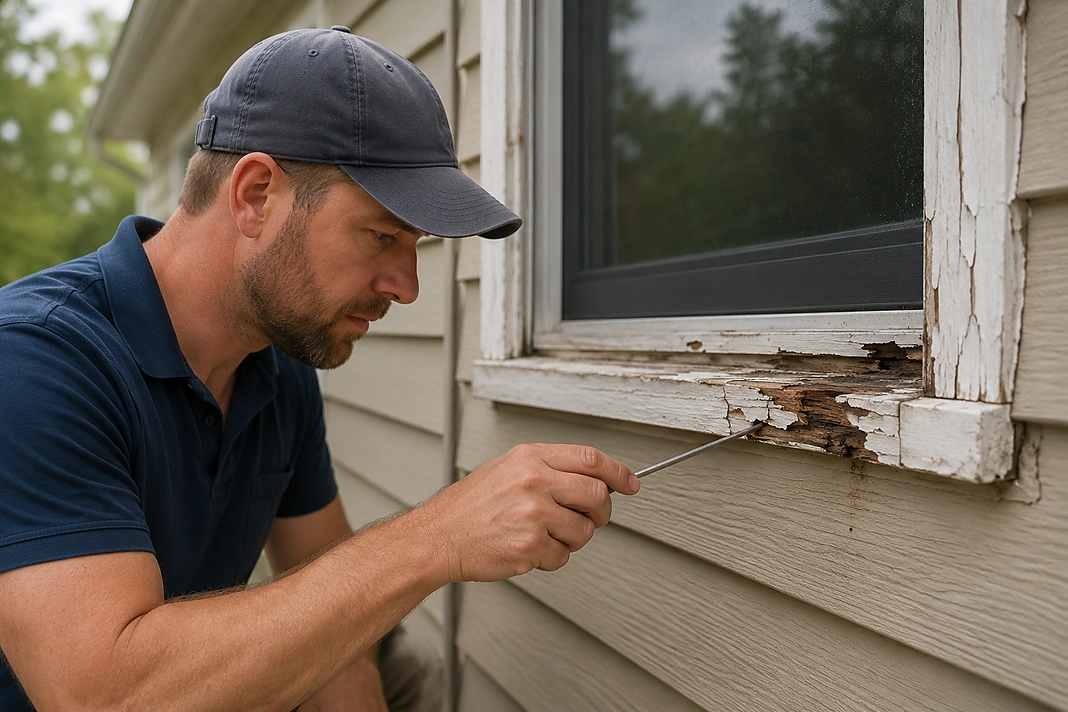
Leaks, rot, corrosion, movement, failed finishes, and weak system performance change the property itself.
A small repair can reach adjacent materials, hidden cavities, finishes, or connected equipment.
Buyers and professionals may allow for hidden damage when the cause, scope, or repair history remains unclear.
Condition can affect offers, repair requests, inspection findings, appraisal review, lending, and sale timing.
Fannie Mae allows some minor conditions in an as-is appraisal. The appraiser must report those conditions, and the value opinion must reflect them. Conditions that affect safety, soundness, or structural integrity require more scrutiny. See the current Fannie Mae property condition guidance.
Avoid a universal percentage claim: no single formula can convert every delayed repair into one value reduction. Location, market demand, repair scope, evidence, and buyer tolerance all matter.
Which Warning Signs Show a Growing Backlog?
Start with conditions that spread damage, threaten safety, or interrupt essential systems. Cosmetic appearance matters, but it should not outrank active water, structural movement, or electrical risk.
Visible warning signs often explain why deferred maintenance and property value concerns appear during inspection or buyer review.
Fresh stains, soft trim, failed sealants, gutter overflow, poor grading, damp cabinets, and repeated condensation.
New cracks, sagging, loose railings, sticking doors, damaged steps, shifted supports, and unsafe routes.
Weak airflow, repeated trips, unusual noise, corrosion, slow drains, pressure changes, and overdue professional service.
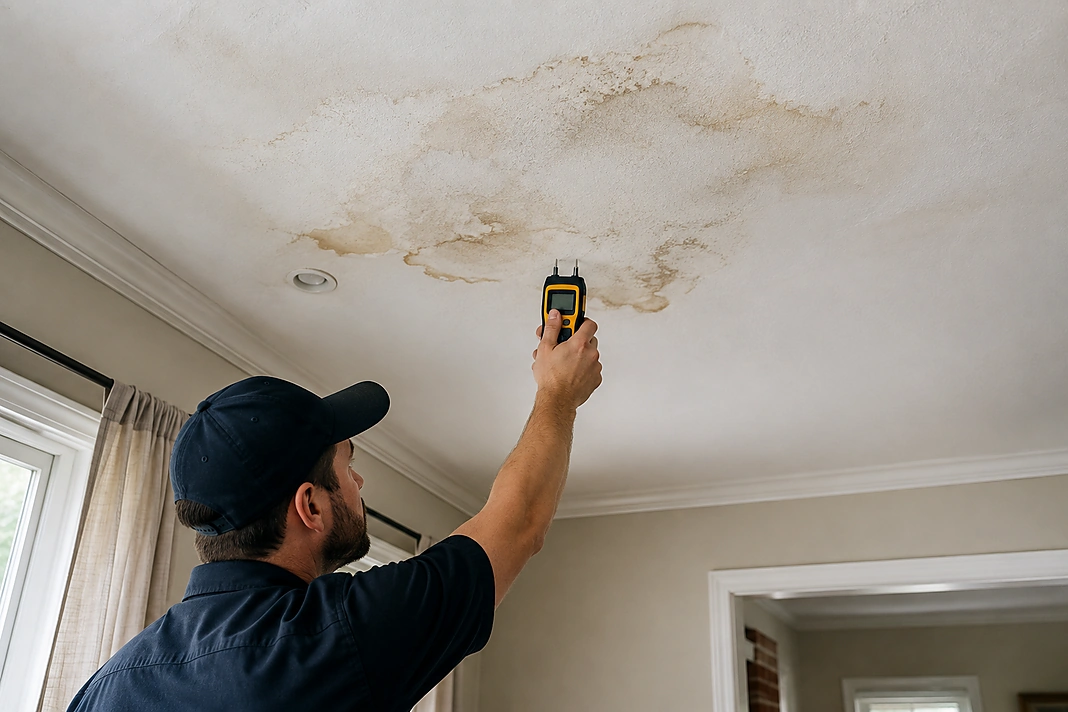
EPA states that moisture control drives mold control. EPA also advises prompt leak repair and drying wet materials within 24 to 48 hours where practical. Read the current EPA mold and moisture guide.
Do not hide the symptom: paint, caulk, fragrance, or surface cleaning cannot replace diagnosis when water, movement, heat, odor, or repeated failure continues.
Why Do Deferred Maintenance Costs Grow?
The original task rarely stays isolated. Time, weather, use, vibration, moisture, temperature, and connected systems can expand the repair boundary.
| Initial condition | What delay can affect next | Why the scope grows | Control before permanent repair |
|---|---|---|---|
| Loose gutter joint | Fascia, siding, foundation edge, soil, basement, or crawlspace. | Repeated discharge sends water to materials that were not part of the first task. | Redirect water safely, monitor after rain, and schedule the joint and drainage repair. |
| Small plumbing drip | Cabinet base, flooring, wall cavity, fasteners, and nearby electrical components. | Low-volume leaks can remain hidden while absorbent materials stay wet. | Shut off the affected supply when needed, dry the area, and inspect connected materials. |
| Failed exterior seal | Trim, sheathing, insulation, interior finish, and pest entry points. | Open joints allow repeated weather exposure behind the visible surface. | Protect the opening with an appropriate temporary measure and confirm the water path. |
| Dirty HVAC filter | Airflow, comfort, operating time, coils, blower components, and condensate behavior. | Restricted airflow can make equipment work harder and hide another system problem. | Use the correct filter and arrange service when weak output or abnormal operation continues. |
| Loose railing | Connections, posts, stair edges, user safety, and surrounding finishes. | Movement enlarges fastener holes and can weaken connected materials. | Restrict access and obtain a qualified repair before normal use resumes. |
Swipe horizontally to view the full table.
What Should You Repair First?
Rank the backlog by consequence and deterioration speed. Cost matters, but a cheap safety repair can outrank an expensive cosmetic project.
| Consequence if delayed | Slow deterioration | Moderate deterioration | Fast deterioration |
|---|---|---|---|
| Critical | Arrange urgent professional review. | Respond now and restrict exposure. | Use emergency procedures and qualified help. |
| Major | Set a short decision date and obtain scope. | Schedule repair and monitor interim controls. | Move ahead before connected damage expands. |
| Moderate | Plan within the maintenance cycle. | Price and schedule the work. | Raise the item above cosmetic work. |
| Minor | Monitor and combine with related upkeep. | Set a future date and record the condition. | Repair before the defect reaches another material. |
Swipe horizontally to view the full table.
What Can You Do When Permanent Repair Must Wait?
Temporary controls reduce exposure while the permanent repair moves through quotes, approvals, parts, access, or weather constraints. They do not erase the defect.
Isolate water, restrict use, protect an opening, clear safe drainage, or shut down unsafe equipment when appropriate.
Check the area after rain, system cycles, temperature change, occupancy, or any event that can worsen the condition.
Record when the quote, inspection, approval, part, or permanent repair must occur.

ENERGY STAR recommends annual pre-season HVAC checkups and regular filter inspection. Its checklist also covers controls, electrical connections, drainage, coils, airflow, and combustion-related checks where applicable. Use the current ENERGY STAR maintenance checklist.
How Do You Reduce a Deferred Maintenance Backlog?
Deferred maintenance and property value improve only when the backlog becomes a controlled work plan. A long list without ownership and dates will keep growing.
A controlled plan also prevents lower-priority cosmetic work from consuming the budget before urgent repairs begin.
What Records Support Property Condition?
Documentation cannot make a defect disappear. It can show the condition, repair decision, completed work, warranty, and follow-up.
Clear records help connect deferred maintenance and property value decisions to verified facts instead of assumptions.
Good records help contractors understand history. They also reduce uncertainty during inspection, appraisal, insurance, lending, or sale review.
Keep dated photos, measurements, weather notes, system behavior, and the location of each warning sign.
Keep quotes, scope comparisons, approvals, temporary controls, target dates, and responsible parties.
Keep invoices, permits where required, warranties, product data, before-and-after photos, and recheck results.
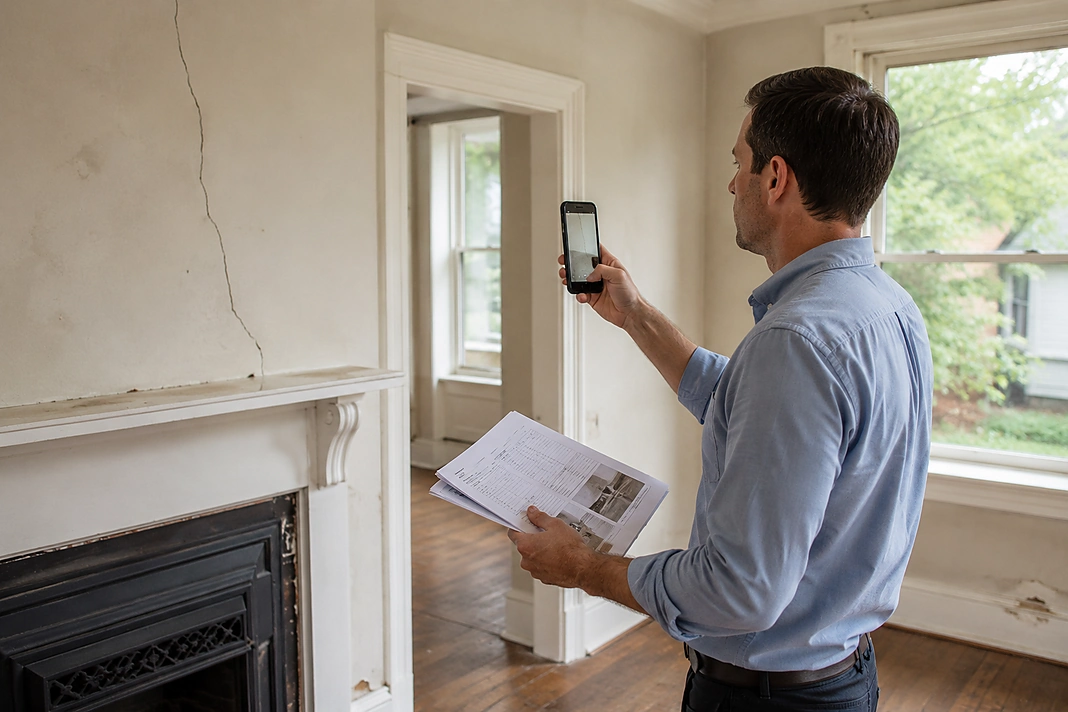
Record the unresolved item honestly: a receipt for surface work does not prove that a hidden cause was corrected.
When Does the Backlog Need Professional Review?
Use qualified professionals when a condition involves structural movement, electrical heat, fuel-burning equipment, roof access, sewage, extensive water damage, hazardous materials, or specialized testing.
Seek appraisal, lending, insurance, legal, or code advice from the appropriate professional. Property-care guidance cannot predict a specific transaction result.
Scope boundary: repair needs, market effects, permits, licensing, disclosure duties, underwriting, and appraisal treatment vary by property and jurisdiction.
Deferred Maintenance and Property Value FAQs
Does deferred maintenance always reduce home value?
No fixed result applies to every home. Condition, repair scope, market demand, documentation, and buyer tolerance shape the effect.
What is the difference between wear and deferred maintenance?
Wear develops through normal use. Deferred maintenance begins when known care or repair stays incomplete beyond a reasonable action date.
Which delayed repairs should come first?
Prioritize immediate safety, active water, weather protection, structural concerns, and essential system reliability before cosmetic work.
Can temporary repairs protect value?
They can limit exposure for a short period. They need monitoring, a decision date, and a permanent repair plan.
Can an appraiser see deferred maintenance?
Appraisers report observed property conditions. Their value analysis depends on the assignment, evidence, market, and applicable appraisal requirements.
Do repair receipts prove the problem was fixed?
Not by themselves. Match the receipt with scope, photos, permits where required, warranties, and evidence that the warning sign stopped.
Should cosmetic repairs wait?
Cosmetic work should wait when safety, water, weather, structure, or essential systems need attention first.
How often should I review the backlog?
Review it after new damage, major weather, system failure, inspection, quote changes, and at least during each seasonal maintenance cycle.
Can deferred HVAC maintenance affect property condition?
Yes. Poor airflow, drainage problems, unsafe operation, or system failure can affect comfort, moisture, energy use, and connected materials.
How do I start when the backlog feels too large?
Verify each condition, rank consequence and deterioration speed, control immediate risks, obtain scopes, and complete the highest-impact work first.

