


















Berksaw Active PropertyCare connects Brendan Berksaw with the property-care approach published by Active Property Care. This page focuses on how owners can notice developing conditions early and judge what deserves attention before a minor issue becomes a larger repair.
Property problems rarely stay inside one component or one category. Roof drainage can influence moisture around exterior materials, while delayed maintenance can later change the scope of renovation work.
What Does Berksaw Active PropertyCare Mean?
Berksaw Active PropertyCare links Brendan Berksaw with the preventive property-care guidance associated with Active Property Care. Here, the emphasis is property condition rather than Brendan’s biography, which is covered in the dedicated ActivePropertyCare Brendan guide.
From there, the owner decides whether the condition is stable or still developing. That distinction helps determine whether the next step belongs in scheduled maintenance, needs closer investigation, or should move to qualified professional help.
The Brendan article owns the person-focused topic. This page concentrates on warning signs and inspections before moving into maintenance records and connected property conditions.
Why Does Preventive Property Care Matter?
Reactive maintenance begins after failure or after damage has already become established. Preventive care starts earlier by watching for wear and declining performance. It also tracks blockage, movement, and moisture while the owner still has more control over timing.
Action begins after failure, severe blockage, active damage, or another established problem.
Changes are noticed earlier so maintenance or investigation can happen before the condition grows.
Roof drainage shows the difference clearly. Waiting for interior staining before checking an overflowing gutter is reactive, while noticing repeated overflow during rain gives the owner a chance to inspect the drainage route before interior materials are affected.
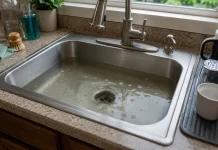
Plumbing follows the same pattern because a drain may become steadily slower before a complete blockage develops. Small supply-line leaks can also affect cabinets or flooring long before the amount of water appears serious.
What Property Warning Signs Should Be Noticed Early?
Warning signs become useful when they are considered in context rather than treated as diagnoses. A mark or performance change shows that something deserves attention, but timing and progression usually provide better clues about what should happen next.
Water and Moisture Signs
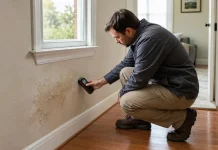
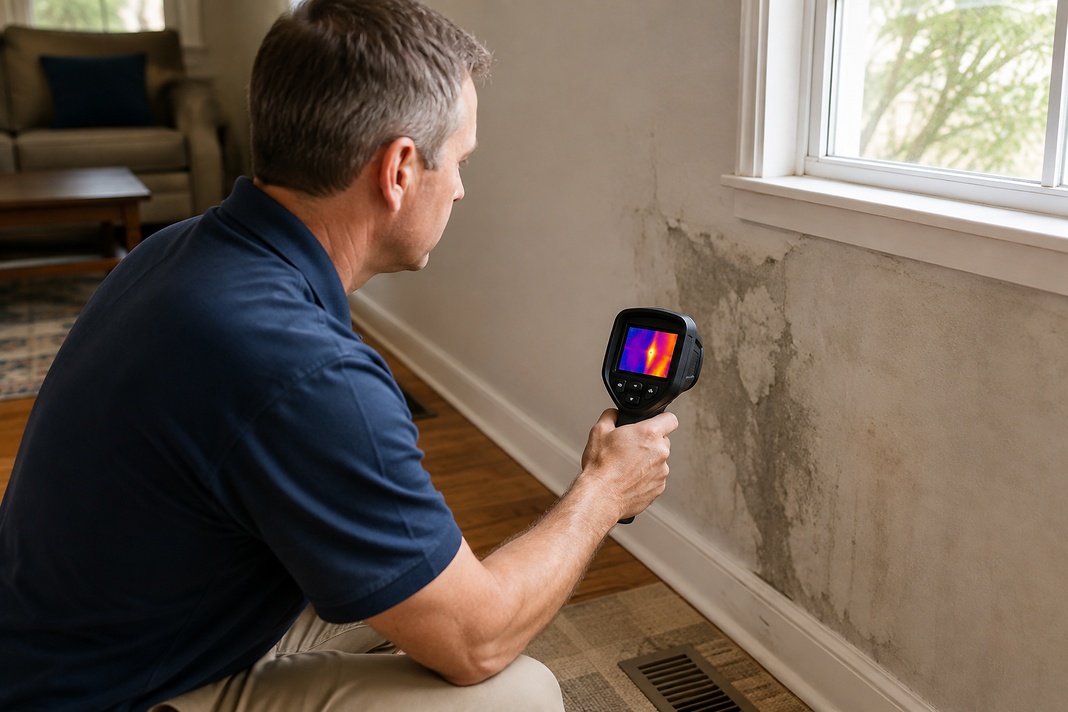
Moisture should be assessed by timing and change. A ceiling stain that becomes larger after rainfall suggests an active water route, while condensation around a window may involve indoor humidity or ventilation instead.
Persistent musty odors can justify closer inspection, and peeling coatings may indicate that moisture is affecting material below the surface. The U.S. EPA also stresses moisture control in its residential mold and moisture guidance, which supports dealing with the water source rather than only cleaning visible effects.
The important question is whether the affected area is still changing. APC’s damp and moisture warning signs guide gives owners a more focused route when moisture is the main condition.
Gutters and Drainage
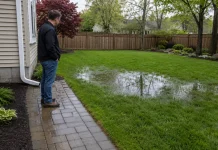
Roof runoff needs a clear route away from the building. Water should enter the gutter and move through the downspout before the ground drainage carries it away from exterior walls and the foundation.
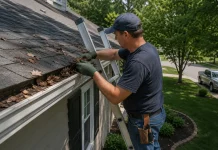
Debris can interrupt that route, while poor downspout discharge can keep water close to the building. Watching runoff during rainfall often gives a clearer picture than inspecting a dry gutter, especially when standing water or repeated splash marks appear near walls.
Regular gutter care helps preserve that drainage route. APC’s gutter cleaning guide covers the maintenance side of the system in more detail.
Drains and Plumbing Symptoms
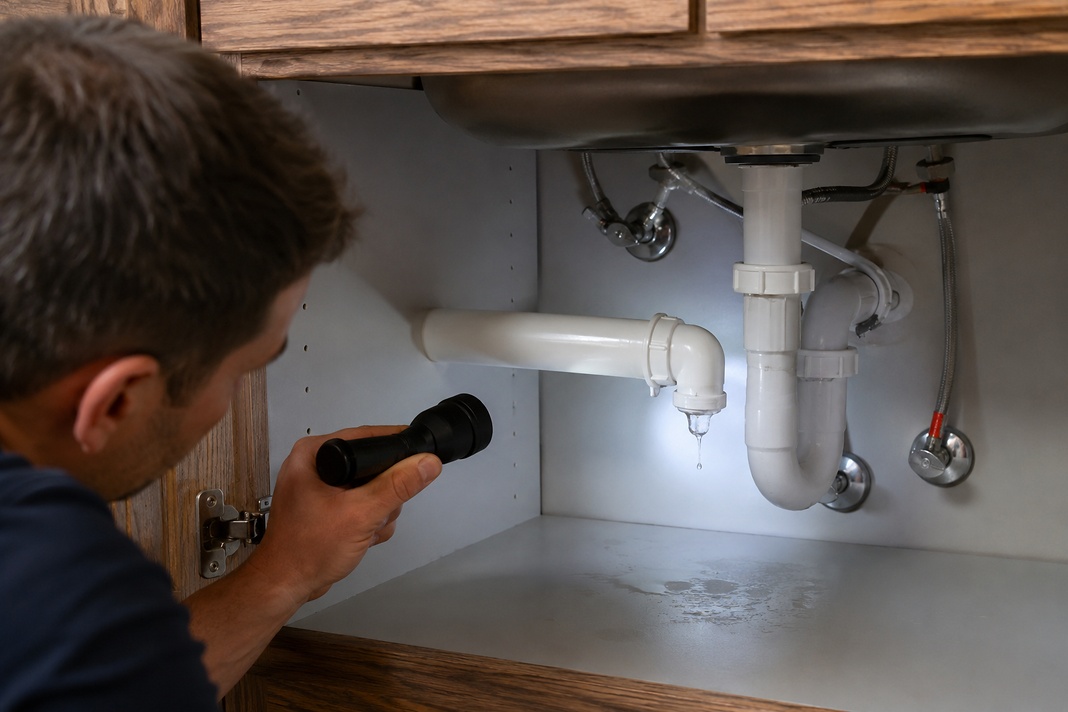
The pattern of a drainage problem can narrow the investigation. One slow fixture may point toward a local blockage, while similar symptoms across several fixtures can indicate a wider problem in the drainage system.
Recurring gurgling deserves more attention when it appears with slow flow or backups. Supply plumbing presents different warning signs because damp cabinet materials or water below a fixture can reveal a leak that has continued longer than expected.
Locks, Access and Safety
Maintenance priority changes when a defect affects safe use of the property. An exterior lock that no longer secures the building should move ahead of cosmetic work, while loose rails or unstable steps need timely attention because normal use can increase injury risk.
The condition should therefore be ranked by consequence rather than appearance. Security and safe access can change a low-cost repair into a higher-priority task even when the visible damage looks minor.
Exterior and Structural Changes
Movement needs context because a small isolated crack does not prove structural failure. A crack that continues widening deserves more attention, and doors that suddenly become difficult to close can provide useful supporting information when other movement signs appear nearby.
Exterior surfaces should be read in the same way. Peeling paint may involve only the coating, while soft material beneath it suggests that deterioration has moved deeper into the component.
How Should Property Problems Be Prioritized?
Repair order should follow risk rather than the order in which defects were discovered. Active water movement deserves faster attention when it is reaching additional materials, while electrical warning signs or loss of security move higher because safety and normal property use are affected.
Stable cosmetic defects usually sit lower on the list, so owners need a consistent way to separate inconvenience from consequence. Asking what is likely to happen if nothing is done yet can reveal whether delay may spread damage or create a safety problem.
Priority test: consider the likely consequence of delay before deciding whether the condition belongs in urgent action, investigation, or scheduled maintenance.
This keeps ordinary maintenance from being treated as an emergency while protecting the property from defects that should not wait. It also gives owners a clearer reason for why one repair moves ahead of another.
Why Do Routine Inspections and Seasonal Checks Matter?
Property conditions change between maintenance visits because weather affects exterior components and normal use changes interior systems. Regular inspection creates comparison points that make gradual deterioration easier to notice.
After heavy rain, roof drainage and downspout discharge are easier to assess because the water path can be seen. Seasonal changes can reveal indoor problems too, since condensation or heating performance may become more noticeable when weather conditions place different demands on the property.
The goal is not constant checking or an artificial inspection schedule. A consistent routine simply reduces the chance that deterioration remains unnoticed until something fails, and APC’s home maintenance checklist can help owners organize recurring checks without treating every task as urgent.
What Property-Care Records Are Worth Keeping?
Good records explain the history of a condition and help later decisions rely on evidence instead of memory. Dated photographs show what an area looked like when the problem first appeared, while repair invoices establish what work was completed.
Service reports can record what a contractor inspected and whether follow-up work was recommended. Larger projects may also involve permits or warranties, which become useful when future repairs or ownership questions involve the same area.
Rental properties benefit from consistent documentation because the same issue can be reported at different times. Previous inspection photos and tenant messages can help establish whether a condition is new or recurring.

How Does the Approach Differ for Homeowners and Landlords?
The building defect may be identical even when the information process differs. A homeowner often has direct access to the condition, so moisture beneath a window can be photographed and compared after rainfall before the owner decides whether further investigation is needed.
A landlord may first learn about the same condition through a tenant report, which adds a documentation step before the repair decision. Earlier inspection records can then show whether the problem existed before the latest report or has appeared repeatedly.
Repair responsibility introduces another layer because lease terms and local landlord-tenant requirements can affect legal duties. APC’s landlord repair responsibility guide explains that distinction without treating general property guidance as a substitute for local legal advice.
When Should a Qualified Professional Be Involved?
Owner-level inspection has limits when the condition involves safety or technical work. Unsafe electrical symptoms should not become a DIY test, while changing structural movement may require specialist assessment.
Roofing defects can involve working at height, so many owners should leave close inspection to someone equipped for that risk. Major roof problems may also require professional assessment because safe inspection can involve working at height and identifying damage that is not visible from ground level.
Major plumbing failures deserve faster professional attention when water continues to spread. Qualified help is also reasonable when the symptom is visible but the source remains unclear after safe owner-level observation.
How Do Property Problems Spread From One Area to Another?
A property works as a connected system, so damage can appear some distance from the condition that started it. Understanding those pathways helps an owner investigate causes instead of repeatedly repairing visible symptoms.
Roof runoff can become an interior moisture issue when the drainage route fails.
Documentation connects the tenant report with the repair decision and later follow-up.
Deferred work can change the cost and order of a later improvement project.
Gutters → Drainage → Moisture → Repairs
A partially blocked gutter can overflow during rainfall and send roof water onto exterior materials instead of through the downspout. Repeated wetting may keep those surfaces damp for longer, while poor ground drainage can add more moisture near the building.
Interior staining may eventually attract attention even though the original condition began outside. The repair therefore needs to consider the water route rather than only the damaged finish.
Inspection → Responsibility → Repair → Record
Rental maintenance follows another connected pathway because a tenant report is only the beginning of the decision. Useful details are collected first, then inspection helps establish whether the condition is active and how quickly it needs attention.
Responsibility can be considered once the condition and available evidence are clearer. After work is completed, the result should be recorded and checked again when recurrence is possible.
Deferred Maintenance → Renovation → Property Condition
A small repair can influence a future improvement project when it is repeatedly postponed. Deterioration may continue until renovation is planned for the same area, which means part of the improvement budget now has to correct the older defect.
The project scope can change and work may need to happen in a different order because corrective repairs come before new finishes. APC’s deferred maintenance guide explains the condition side of that relationship, while the home renovation checklist covers project preparation.
What Type of Property-Care Response Does the Problem Need?
Classification should happen before action because not every defect belongs in the same response category. The table below separates immediate hazards from developing defects and planned maintenance so the owner can route the problem by condition rather than appearance.
| What you observe | Property state | Appropriate direction |
|---|---|---|
| Active water or electrical danger | Immediate hazard or active damage | Get qualified or emergency help |
| Structural movement that continues changing | Potential building or safety issue | Arrange specialist assessment |
| Repeating leak or spreading damp | Developing defect | Investigate the source |
| Recurring drainage blockage | Developing system problem | Find why the blockage returns |
| Minor gutter debris or worn sealant | Maintenance condition | Schedule maintenance |
| Tenant report with unclear history | Rental condition issue | Document and inspect |
| Existing defect before renovation | Improvement dependency | Correct the defect before finishes |
| Maintenance is due with no active defect | Preventive condition | Schedule routine care |
This distinction prevents two opposite mistakes. A developing defect should not remain buried in a routine checklist until severe damage appears, while ordinary maintenance does not need emergency treatment.
What Does Berksaw Active PropertyCare Not Mean?
Berksaw Active PropertyCare links Brendan Berksaw with Active Property Care and the property-care framework presented on the site. The phrase does not establish a trade licence or prove a contractor qualification, and it does not establish a property-management licence.
Nothing about the wording means Brendan personally performs every repair or specialist service discussed across APC. Licensed work should be handled by an appropriately qualified professional, while structural safety and other technical conditions may require specialist assessment.
Where Can Readers Find Official Information About Brendan Berksaw?
Active Property Care identifies Brendan Berksaw as its founder. Readers looking for more information about Brendan can visit his official author profile or the dedicated ActivePropertyCare Brendan guide. For information about the organization itself, visit the About Active Property Care page.
Frequently Asked Questions
What does Berksaw ActivePropertyCare mean?
Berksaw Active PropertyCare connects Brendan Berksaw with the preventive property-care framework used across Active Property Care. This page focuses on maintenance decisions and property condition rather than Brendan’s biography.
Is Berksaw Active PropertyCare the same as ActivePropertyCare Brendan?
The topics are related but serve different purposes. ActivePropertyCare Brendan explains who Brendan Berksaw is at APC, while this page focuses on property condition and preventive maintenance.
What is preventive property care?
Preventive property care means monitoring condition before failure becomes severe. The owner watches for early deterioration and responds according to risk.
What is the difference between preventive and reactive maintenance?
Preventive maintenance addresses deterioration before major failure. Reactive maintenance begins after a component fails or damage has already become established.
Which property warning signs need quick attention?
Active leaks deserve prompt investigation and electrical safety concerns require qualified help. Loss of security also needs timely action, while changing structural movement should be assessed.
Why are property maintenance records useful?
Records show how a condition changes over time and help later decisions rely on evidence. Photos provide visual context, while invoices and inspection reports show what work has already been completed.
Can blocked gutters contribute to indoor moisture?
Yes, overflow can repeatedly wet exterior materials or direct water toward the building. The source of indoor moisture still needs to be confirmed before deciding on the repair.
Should repairs happen before renovation?
Active or developing defects should normally be resolved first because they can change project scope once finishes are removed. Repairing the underlying condition first also reduces the chance of covering a problem with new materials.
How should a landlord respond to an unclear repair report?
Document the condition and establish its location before arranging the next step. Previous inspection records may show whether the problem is new or recurring.
When should a property owner contact a professional?
Qualified help is appropriate when safety is involved or regulated work is required. Specialist assessment is also sensible when serious damage is present and the cause remains uncertain.
Final Thoughts
Berksaw Active PropertyCare is most useful as a practical way to think about preventive property care: notice what has changed, decide whether the condition is stable or developing, and match the response to the consequences of delay. The approach begins by noticing what has changed and then determining whether the condition is stable or developing.
Repair priority should reflect the consequences of delay, and the response should match the condition rather than the appearance of the defect. Owners gain more control when they recognize that drainage can influence moisture and that deferred maintenance can alter renovation plans.
Rental repair decisions also become easier when inspection history is available and the condition is documented clearly. Understanding those relationships helps owners address causes earlier instead of repeatedly repairing symptoms.

