

















How To Guides ActivePropertyCare helps property owners move from confusion to a clear first step when something leaks, breaks, blocks, loosens, or stops working around the property.
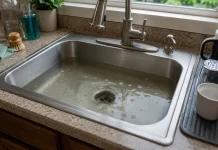
Water under the sink needs a fast first step: turn off the nearby valve, place a bucket under the drip, and keep the cabinet open so moisture does not sit inside. If a breaker trips during normal use, unplug nearby appliances and reset it only once.
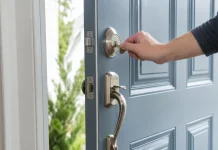
A broken front lock should move higher than cosmetic repairs because it affects safety and access. During heavy rain, overflowing gutters need a quick check at the downspout, outlet, and wall area before water keeps pushing toward the property.
These guides are useful because property owners often need quick direction before deciding what is safe to check, what should be recorded, and when service help is the better choice.
What Are How To Guides ActivePropertyCare?
 How To Guides ActivePropertyCare refers to practical guides connected with ActivePropertyCare and its home, land, rental, and service-based property care focus.
These guides do more than say “fix the issue early.” A useful guide shows the warning sign, explains the risk, gives a safe first step, and helps the property owner decide whether the problem is simple, urgent, or professional-only.
A good ActivePropertyCare guide should answer:
- What is the problem?
- What should be checked first?
- What tools or details may be needed?
- What safety step comes before the repair?
- What signs mean the issue is too risky?
- What should be monitored after the fix?
- When should service help be requested?
Property owners often search while the problem is already happening. They do not need long theory first. They need a clear path.
Why Does Generic Property Advice Not Help During a Real Problem?
Generic property advice often sounds useful until a person is standing in front of the actual issue.
“Check your plumbing” does not help when water is already dripping into the cabinet. “Maintain your gutters” does not help when rainwater is already running down the wall. “Respond to tenant repairs quickly” does not explain whether a broken lock, loose rail, slow drain, or paint damage should come first.
Property problems usually create pressure because the owner has to make a decision fast.
The pressure is different in each situation:
- A homeowner worries about repair cost.
- A landlord worries about tenant safety and response time.
- A tenant wants the issue reported clearly.
- A property owner wants to stop damage before it spreads.
- Someone managing outdoor space wants to know if water, plants, or drainage are creating risk.
ActivePropertyCare how to guides should close the gap between noticing a problem and knowing what to do next.
Before You Start Any Property Repair Guide
Every practical guide should begin with a quick check before the repair steps. This helps the reader see whether the job is safe, simple, urgent, or professional-only.
A useful “before you start” section should include:
- Estimated time: How long the check or repair may take
- Difficulty level: Beginner, intermediate, or professional-only
- Tools or materials: What may be needed before starting
- Immediate safety step: What to do right now to reduce risk
- Stop point: When the reader should not continue alone
For example, a leaking sink guide should tell the reader to turn off the nearby water valve first. A tripped breaker guide should warn the reader not to keep resetting the breaker if it trips again. Loose stair rail guidance should treat safety as urgent, not cosmetic.
This makes the guide more useful for people who are already dealing with the problem.
Example 1: How To Handle a Leaking Pipe Under the Sink
A homeowner opens the cabinet under the kitchen sink and finds damp wood near the pipe.
The first pain point is panic. The owner may not know whether the water is from a loose fitting, a leaking tap, a drain pipe, or spilled water from daily use.
A useful ActivePropertyCare guide should start with the immediate action.
Before you start:
- Estimated time: 10 to 20 minutes for the first check
- Difficulty: Beginner for inspection, service help for active leaks
- Tools: Towel, bucket, flashlight, phone camera
- Immediate step: Reduce water use and place a bucket under the drip
- Call service help if: Water keeps dripping, cabinet wood feels soft, or flooring is wet
The guide should then explain the sequence.
First, check where the water appears. Dry the area so new moisture is easier to see. Run a small amount of water and watch whether the drip returns. Take photos if the leak continues.
The risk is not only the dripping water. Moisture can damage cabinet bases, flooring, wall edges, and nearby storage.
A good guide helps the homeowner act quickly without pretending every leak is a simple DIY fix.
Example 2: How To Respond When a Breaker Trips
A breaker trips and one area of the home loses power.
The owner may be tempted to reset it again and again. That can be risky if the breaker is reacting to overload, faulty wiring, water exposure, or a damaged appliance.
A useful ActivePropertyCare guide should keep the safety step at the top.
Before you start:
- Estimated time: 5 to 10 minutes for basic checking
- Difficulty: Beginner for one safe reset, professional-only if it repeats
- Tools: Flashlight and appliance list
- Immediate step: Turn off or unplug devices connected to that circuit
- Call service help if: The breaker trips again, smells hot, sparks, buzzes, or feels warm
The guide should not push the reader into electrical repair. It should explain safe observation only.
A simple sequence can help: unplug nearby devices, reset once, watch what happens, and stop if the breaker trips again.
The benefit is safety. The guide helps the reader avoid guessing around electricity and understand when the problem needs a qualified professional.
Example 3: How To Prioritize a Tenant Repair Request
A landlord gets three tenant messages in one day. One says the front lock is broken. One says the bathroom drain is slow. One says paint is peeling near a window.
The pain point is not only the number of requests. The landlord has to decide what comes first without ignoring the other issues.
A useful ActivePropertyCare guide should help sort repairs by risk.
Before you start:
- Estimated time: 10 minutes to sort and record requests
- Difficulty: Beginner for triage, service help for repairs
- Tools: Message log, photos, repair notes
- Immediate step: Identify safety, water, access, and habitability concerns
- Call service help if: The issue affects locks, leaks, rails, electrical safety, or active water damage
The correct order is not based on who messaged first. A broken lock affects security. A slow drain may become a blockage. Peeling paint may still need attention, but it usually comes after safety and water issues.
A good guide should show landlords how to record the request, ask for photos, confirm the location, and respond based on urgency.
This protects the tenant experience and keeps the rental easier to manage.
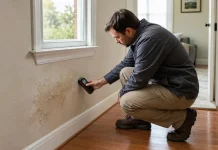
Example 4: How To Check a Roof Stain After Rain
A homeowner sees a brown stain near the ceiling after heavy rain.
The stain may look like a paint problem, but it can point to moisture entering from the roof edge, gutter area, attic space, flashing, or a weak seal.
A useful ActivePropertyCare guide should stop the reader from covering the stain too quickly.
Before you start:
- Estimated time: 10 to 15 minutes for visible checks
- Difficulty: Beginner for observation, professional-only for roof access
- Tools: Phone camera, flashlight, notepad
- Immediate step: Take photos and check whether the stain feels damp
- Call service help if: The stain grows, returns after rain, drips, or spreads near wiring
The guide should explain what to check safely from inside the home. When did the stain appear? Does it darken after rain? Is there a damp smell nearby? Are gutters overflowing outside?
The practical next step is to document the stain and get the source checked before more water enters.
This helps stop a small ceiling mark from becoming a larger roof or moisture repair.
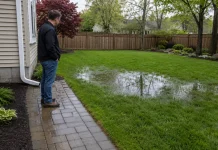
Example 5: How To Deal With Water Sitting Beside an Outside Wall
A property owner notices water sitting beside the wall after rain.
The issue may look like a normal puddle. Risk grows when water keeps collecting near the building. Over time, poor drainage can affect walls, soil, paths, garden edges, and foundation areas.
A useful ActivePropertyCare guide should help the owner follow the water path.
Before you start:
- Estimated time: 15 to 30 minutes after rain
- Difficulty: Beginner for observation, service help for drainage correction
- Tools: Phone camera, gloves, small garden tool, notes
- Immediate step: Check gutters, drain outlets, soil slope, and visible blockages
- Call service help if: Water keeps moving toward the property or pooling near the wall
The guide should explain that outdoor care is not only about appearance. A clean garden can still create risk if water drains the wrong way. Plants too close to walls can also hold moisture and hide early signs of damage.
The practical next step is to clear visible blockages, record where the water collects, and watch the area after the next rain.
Good drainage awareness protects the building and the land around it.
Example 6: How To Check a Loose Stair Rail
A tenant or family member says a stair rail feels loose.
This should not be treated like a small cosmetic complaint. A rail is connected to safety, movement, and fall risk.
A useful ActivePropertyCare guide should help the reader act quickly without trying unsafe repairs.
Before you start:
- Estimated time: 5 to 10 minutes for a basic safety check
- Difficulty: Beginner for reporting, service help for repair
- Tools: Phone camera and location notes
- Immediate step: Avoid leaning on the rail and keep the area clear
- Call service help if: The rail moves, pulls from the wall, or feels unstable under light pressure
The guide should explain what to record: which rail is loose, where it moves, when it was noticed, and whether anyone depends on it for safe access.
For landlords, the repair should be logged and handled before cosmetic work.
A clear guide helps protect people using the property and gives the service team better information.
How ActivePropertyCare Guides Help With Cost Decisions?
 Property owners often delay repairs because the issue looks small or the cost feels unclear.
A helpful guide should explain cost in a simple way:
- DIY check cost: Basic observation, photos, towels, bucket, or cleaning tools
- Repair cost risk: Damage becomes more expensive when water, safety, or structure is involved
- Service value: A proper repair can prevent repeat damage
- Delay cost: Ignored problems can spread into cabinets, walls, floors, paths, or rental complaints
The point is not to push every issue into paid service. The point is to help the reader understand when waiting becomes more expensive than acting.
When to Use a Guide and When to Call Service Help?
A guide is useful when the reader needs to understand the issue, check visible signs, and prepare clear details before taking action.
Use an ActivePropertyCare guide when you need to:
- Identify the warning sign
- Check visible damage
- Record the issue clearly
- Sort repair urgency
- Prepare details before asking for help
- Follow safe first steps
Call service help when the issue involves:
- Active water leaks
- Unsafe wiring
- Breakers that keep tripping
- Broken main locks
- Loose stair rails
- Roof leaks
- Structural cracks
- Gas smells
- Large moisture spread
- Serious drainage failure
A guide should make the first decision easier. It should not replace skilled repair work when the problem is unsafe or active.
How To Use ActivePropertyCare Guides Effectively?
A property guide works best when the reader starts with clear details.
Before following any guide, look closely at the problem. Check where it started, when it appeared, and whether it gets worse after rain, daily use, tenant activity, or repeated attempts to fix it.
Helpful details include:
- Room or outdoor area
- Time the problem started
- Photos of the issue
- Water, smell, noise, heat, or movement
- Recent weather
- Previous repairs
- Safety concerns
- Whether the issue has happened before
These details help homeowners explain the problem clearly. They help landlords compare repair urgency. Service providers can also understand what is happening before arriving.
Better details usually lead to faster and safer property care decisions.
Final Thoughts
How To Guides ActivePropertyCare should give property owners fast, practical help when a home, rental, land, or outdoor issue needs attention.
The strongest guides do not bury the answer under broad advice. They show the first safety step, the tools or details needed, the repair sequence, the stop point, and the signs that service help is needed.
Good property care starts with clear warning signs, safe first actions, useful records, and the right next step before a small problem becomes a costly repair.
FAQs
What are How To Guides ActivePropertyCare?
How To Guides ActivePropertyCare are practical property care guides connected with ActivePropertyCare and its service-based focus on home, land, rental, and outdoor problems.
What should a good ActivePropertyCare guide include?
A good guide should include a quick summary, safety warning, tools or details needed, step-by-step actions, troubleshooting help, cost awareness, and clear signs for when to call service help.
Are ActivePropertyCare guides only for landlords?
No. They can help homeowners, landlords, tenants, and property owners who need practical guidance for repairs, maintenance, outdoor care, and rental issues.
Can these guides help during an urgent property problem?
Yes, but only for safe first steps. A guide can help the reader reduce risk, record details, and understand urgency. Active leaks, unsafe wiring, broken locks, and structural concerns need proper service help.
Do ActivePropertyCare guides replace professional repair service?
No. They help with understanding, preparation, and safe first checks. Professional service is still needed for unsafe, active, technical, or repeat problems.
Why are these guides useful for property owners?
They help property owners understand what is happening, what to check first, what to avoid, and when a small issue needs faster attention.
Do ActivePropertyCare guides cover outdoor and land problems?
Yes. They can cover drainage, gutters, garden overgrowth, pathway safety, outdoor lighting, water near walls, and land upkeep around the property.

