


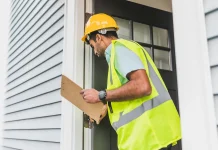
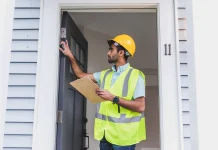


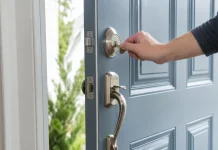
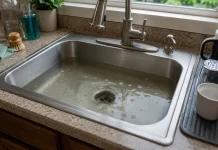
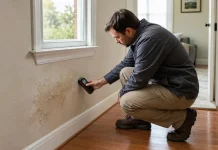
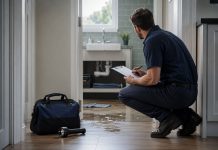

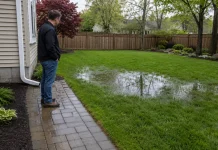
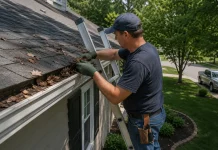
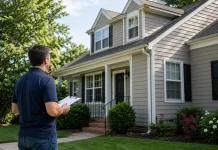




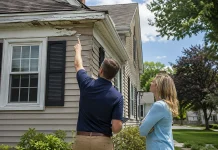

What repairs are landlords responsible for cannot be answered by a room name or repair label alone. The same broken door, leak, or damaged wall can result from normal wear, system failure, tenant misuse, delayed reporting, or an outside event.
Start with the property condition, cause, urgency, lease language, evidence, and applicable state or local rules before assigning cost or responsibility.
Start With Four Repair Responsibility Questions
Landlord repair obligations become clearer when every issue passes through the same decision gate.
A reliable answer to what repairs are landlords responsible for begins with evidence rather than assumptions. Do not delay a safety response while debating final cost because immediate risk control and permanent responsibility are separate decisions.
Use the rental property management guide to connect repair reporting, access, contractor approval, records, costs, and follow-up within one operating system.
Which Repairs Usually Stay With the Landlord?
When asking what repairs are landlords responsible for, start with the building and systems the owner provides or controls. The exact duty depends on local law, the lease, and the cause of failure.
| Repair area | Examples | Why it often remains landlord-controlled | What still needs checking |
|---|---|---|---|
| Structure and weather protection | Roof leaks, exterior walls, unsafe stairs, failed windows, damaged doors, foundation movement, and water entry | The owner controls the building envelope and permanent structure | Storm damage, tenant alterations, delayed reporting, insurance, and local safety standards |
| Essential building services | Water supply, drainage, fixed heating, electrical systems, gas systems, and installed ventilation | These systems serve the rental home and usually require qualified repair | Utility interruption, tenant-owned equipment, misuse, shutoff access, and local habitability rules |
| Supplied fixtures and appliances | Toilets, sinks, faucets, built-in cabinets, supplied refrigerators, ranges, dishwashers, and laundry equipment | The landlord supplied the item as part of the tenancy | Lease exclusions, age, maintenance instructions, misuse, and whether the item is essential |
| Security and access | Entry locks, failed exterior doors, broken latches, unsafe gates, and common-entry systems | The owner controls the building entrance and provided security hardware | Lost keys, forced entry, tenant-added locks, emergency access, and local security requirements |
| Common and shared areas | Hallways, shared lighting, stairs, paths, laundry rooms, refuse areas, and building entrances | The landlord retains control over areas not assigned to one tenant | Building rules, third-party damage, contractors, and municipal standards |
| Known environmental or safety hazards | Lead-related repair controls, unsafe wiring, structural instability, active mold source, and dangerous building materials | Specialist assessment and regulated work may be required | Property age, testing, certified contractors, disclosure duties, and local enforcement |
When Can a Tenant Be Responsible for a Repair?
The question what repairs are landlords responsible for also requires a clear tenant boundary. Tenant repair responsibilities may arise when evidence connects the problem to misuse, deliberate damage, unauthorized work, neglected routine care, or failure to report a developing issue.
Responsibility for cost does not automatically mean the tenant should perform the repair.
Routine Use and Reporting
Tenants may be expected to use fixtures reasonably, keep the home reasonably clean, follow operating instructions, replace agreed consumables, and report defects promptly.
The exact duties should be stated in the lease and allowed by local law.
Shared or Unclear Cause
A blocked drain, damaged floor, moisture problem, or broken fixture may involve age, installation, ordinary use, tenant action, and delayed reporting together.
Inspect the evidence before assigning full responsibility to either side.
Damage Linked to Tenant Action
Examples may include broken doors from force, unauthorized drilling, damage from a tenant-owned appliance, lost keys, or a blockage caused by unsuitable items.
The landlord may still need to arrange the repair to protect the property and then address cost through the lawful process.
Where a defect creates danger, active water damage, failed security, or loss of an essential service, arrange appropriate risk control while responsibility is investigated.
Do not require a tenant to perform electrical, gas, structural, roof, lead-related, or other specialist work as a condition of receiving help.
How Is Normal Wear Different From Tenant-Caused Damage?
When deciding what repairs are landlords responsible for, separate normal wear from damage before assigning cost. Normal wear develops through ordinary use and age, while tenant-caused damage results from action, misuse, neglect, or unauthorized alteration beyond ordinary deterioration.
A single photograph rarely proves the difference. Use the rental property inspection checklist to build consistent move-in, routine, post-repair, and move-out evidence.
Examples are not universal. Faded paint, small scuffs, worn seals, loose handles, and carpet flattening may reflect age and use. Large holes, burns, broken fittings, pet damage, and unauthorized alterations may point toward tenant-caused damage, but context and local rules still matter.

How Should Repair Urgency Be Classified?
What repairs are landlords responsible for still needs a second decision: how quickly must the issue receive action? The visible defect, active risk, affected service, weather, occupants, and potential for further damage all influence priority.
| Priority | Typical evidence | First management response | Closure requirement |
|---|---|---|---|
| Emergency | Fire, suspected gas escape, severe electrical danger, major uncontrolled water, structural collapse risk, or immediate threat to people | Use emergency services or utility emergency procedures where appropriate, restrict access, and arrange specialist attendance | Immediate risk controlled, property secured, event documented, and permanent work planned |
| Urgent | Failed entry security, active leak, essential-service loss, unsafe stair or fixture, sewage concern, or rapidly worsening damage | Confirm evidence, reduce further damage, coordinate access, and arrange prompt qualified help | Function restored or safe temporary control documented with a firm follow-up plan |
| Routine | Dripping faucet, loose handle, minor appliance fault, local wall defect, slow drain, or isolated non-dangerous problem | Create a work order, confirm responsibility review, schedule access, and update the tenant | Repair tested, area cleaned, tenant informed, invoice matched, and record closed |
| Planned | Cosmetic work, end-of-life replacement, grouped maintenance, improvement, or turnover work | Add the item to the maintenance plan with scope, budget, target date, and condition trigger | Work completed before condition or risk moves into a higher priority |
How Should Tenants Report a Repair?
A clear written report protects both the tenant and the property. It helps the landlord classify urgency, choose the correct contractor, arrange access, and understand whether damage is still developing.
1. Name the Location
Identify the room, wall, fixture, appliance, entrance, exterior area, or shared space. Include the unit number where relevant.
2. Describe What Is Happening Now
State whether water is active, power is lost, a door will not secure, a smell is present, a surface is moving, or the problem appears only during certain use.
3. Record Timing and Change
Note when the issue began, whether it is constant or intermittent, and whether it is spreading, worsening, or affecting another area.
4. Add Useful Evidence
Provide clear photographs or a short video where safe. Do not enter a dangerous area, remove electrical covers, climb, or dismantle building systems.
5. Explain Access Needs
State reasonable availability, pets, alarms, mobility needs, parking limits, and whether an adult must be present under the lease or local rules.
6. Keep the Reference
Save the request date, confirmation, updates, attendance notes, and completion message. Use one repair number or thread where possible.
HUD advises Housing Choice Voucher tenants to report maintenance issues promptly, document requests, and keep detailed communication records. Review HUD’s repair-reporting guidance for voucher tenants. Other rental programs and private tenancies may use different escalation routes.
How Should Access and Contractor Work Be Coordinated?
Even when the landlord is responsible, a repair can fail through unclear scope, missed access, poor updates, or work that is never verified.
Use qualified and appropriately insured contractors for the work involved. Specialist electrical, gas, structural, environmental, and regulated work should not be assigned beyond a contractor’s competence or licensing.
How Long Does a Landlord Have to Make Repairs?
There is no single nationwide answer to how long does a landlord have to make repairs. Response duties and tenant remedies can vary by state, city, property type, program, lease, severity, and whether the landlord received proper notice.
An immediate hazard should not be treated like a cosmetic defect. At the same time, parts availability, specialist access, utility coordination, insurance, weather, and lawful entry can affect permanent completion after temporary risk is controlled.
USA.gov directs tenants to state agencies, attorneys general, housing agencies, and state tenant-rights resources because repair rights and complaint routes vary by location. Use its tenant rights and landlord complaint directory.
Before relying on a deadline found online, confirm the jurisdiction, type of housing, notice method, issue category, and available remedy.
What Should Happen While a Repair Is Pending?
A temporary control should reduce risk without pretending the permanent repair is complete.
Stopping water through a known safe shutoff, restricting access to an unsafe area, securing a failed entrance, providing an approved temporary appliance, arranging drying, or scheduling emergency specialist attendance.
Do not ask tenants to improvise electrical repairs, use unsafe heaters, climb onto roofs, disturb suspect lead paint, enter contaminated water, or operate building equipment they do not understand.
Document the temporary measure, its limits, safe-use instructions, responsible person, review time, and permanent repair plan.
How Should a Repair Be Verified and Closed?
The answer to what repairs are landlords responsible for should remain attached to the final repair record. A repair is not closed because a contractor arrived or an invoice was issued; the result must address the reported problem and any damage created during the work.

What If the Landlord Is Not Making Repairs?
When a landlord is not making repairs, the tenant should keep the issue documented and use the complaint or enforcement route that applies locally. The correct response depends on the jurisdiction, housing program, urgency, and nature of the defect.
Typical steps may include sending a clear written follow-up, preserving photographs and dates, contacting a local housing or code agency, using a program complaint route, seeking legal aid, or requesting emergency help where there is immediate danger.
Do not assume that withholding rent, arranging a repair and deducting the cost, breaking the lease, or denying access is lawful without checking local requirements. These remedies can have strict notice, evidence, timing, and procedural rules.
When Do Lead-Safe Repair Rules Apply?
Repairs that disturb painted surfaces in many pre-1978 homes may fall under federal lead-safe requirements. The work may need a certified firm, certified renovator, containment, cleaning, and required information for occupants.
The EPA explains the requirements for property managers and landlords under the Lead Renovation, Repair and Painting Program. State, tribal, and local rules may add requirements.
Record the defect, urgency, cause evidence, lease clause, legal source checked, temporary controls, access, contractor, completion, cost decision, and tenant update.
If responsibility remains disputed, close the safety and repair work separately from the later cost or legal decision.
Repair Responsibility Works Best When Evidence Is Clear
Frequently Asked Questions
What Repairs Are Landlords Usually Responsible For?
Landlords commonly manage structural defects, permanent building systems, supplied fixtures, entry security, common areas, and safety hazards, subject to local law and the cause of damage.
Are Landlords Responsible for Plumbing Repairs?
Landlords often manage permanent plumbing and supplied fixtures. Responsibility for a blockage or damaged fitting may change when evidence shows misuse, tenant damage, or an excluded tenant-owned item.
Who Pays for Tenant-Caused Damage?
A tenant may be responsible for proven damage beyond normal wear, but the landlord may still need to arrange the repair and recover costs through the lawful lease and local process.
Is a Landlord Responsible for Appliances?
Responsibility often depends on whether the landlord supplied the appliance, what the lease says, why it failed, and whether local law treats it as an essential service.
How Long Does a Landlord Have to Make Repairs?
There is no single national deadline. State and local rules, urgency, proper notice, housing program, access, and the type of defect can change the required response.
What Counts as an Emergency Rental Repair?
Immediate threats such as fire, suspected gas, severe electrical danger, major uncontrolled water, structural instability, or unsafe access require emergency action.
Can a Landlord Charge a Tenant for Repairs?
A landlord may be able to charge for proven tenant-caused damage or agreed responsibilities, but evidence, lease terms, deposits, notices, and collection rules vary by jurisdiction.
Can a Tenant Arrange a Repair and Deduct the Cost?
Repair-and-deduct remedies are jurisdiction-specific and may require written notice, waiting periods, cost limits, qualified work, and detailed receipts. Legal guidance should be checked first.
What Evidence Helps Decide Repair Responsibility?
Useful evidence includes move-in records, inspection photographs, repair history, age, maintenance instructions, tenant reports, contractor findings, damage pattern, and lease terms.
Is This Landlord Repair Guide Legal Advice?
No. It provides general operating guidance. Repair duties, deadlines, access, remedies, habitability, and cost recovery must be checked against local law and the lease.

