



















A home maintenance checklist works best as a control system, not a collection of chores. It should show what needs attention, how often to check it, what warning sign changes the priority, and where to record the result.
Small checks protect safety and property condition when they lead to a clear action. A completed box means little when a leak, loose connection, blocked drain, or failed alarm remains open.
What Should You Include Before Scheduling Tasks?
Begin with an asset map. Walk through the property and list the parts that keep water out, move water away, provide utilities, protect access, support comfort, and create safe living conditions.
The home maintenance checklist should reflect the actual home. A property with a basement, chimney, private well, septic system, deck, pool, mature trees, or specialized equipment needs extra tasks.
Roofing, flashing, gutters, downspouts, siding, windows, doors, sealants, and foundation drainage.
Supply lines, shutoff valves, fixtures, drains, water heater, sump pump, sewer or septic components.
Heating, cooling, filters, ventilation, insulation, thermostats, exhaust fans, and appliance connections.
Smoke and CO alarms, electrical protection, railings, locks, steps, lighting, garage controls, and exits.
Set the baseline: record the location, age, model number, condition, last service date, warranty, and next planned check for major systems.
Which Checks Belong in the Monthly Routine?
Monthly work should stay short. Focus on conditions that can change quickly or create larger damage when nobody notices them.
Use the monthly home maintenance checklist as an early-warning circuit. Look, listen, test, and compare. Do not dismantle equipment or enter unsafe areas.
Keep the home maintenance checklist short enough to complete, but specific enough to show the next action when a warning sign appears.
| Checkpoint | What to observe | Normal response | Escalation sign |
|---|---|---|---|
| Alarms and exits | Test response, check indicator lights, confirm clear exit paths, and review stair lighting. | Replace permitted batteries, clean around devices, and record the test date. | Failed test, damaged device, missing alarm, blocked exit, or repeated unexplained activation. |
| Visible plumbing | Look below sinks, around toilets, at appliance hoses, and beside the water heater. | Dry minor splashes, tighten only accessible non-damaged fittings when appropriate, and monitor. | Active leak, corrosion, swelling cabinet material, sewage, pressure change, or repeated dampness. |
| HVAC operation | Check filter condition, airflow, unusual sounds, odors, cycling, and visible condensate drainage. | Clean or replace the correct filter and keep approved clearances around equipment. | Electrical smell, combustion concern, water overflow, repeated shutdown, weak output, or damaged wiring. |
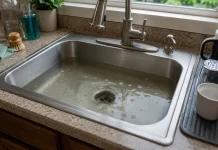
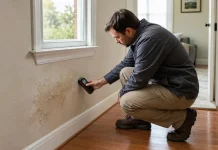
| Drains and moisture | Watch drain speed, condensation, ceiling marks, window moisture, and musty areas. | Clean accessible strainers, improve routine ventilation, dry surfaces, and record recurring locations. | Overflow, hidden leak signs, sewage odor, widespread moisture, mold growth, or water near electricity. |
| Doors and access | Check locks, hinges, weather seals, garage safety reversal, railings, and exterior lighting. | Clean, lubricate only where approved, tighten accessible hardware, and replace failed lamps. | Unsafe entry, loose railing, failed garage safety feature, damaged frame, or blocked emergency access. |
Swipe horizontally to view the full table.
How Should You Group Monthly Warning Signs?
Look below sinks, around toilets, beside appliances, near the water heater, and at visible ceilings for fresh moisture.
Test alarms and inspect exits, stair lighting, handrails, locks, and garage-door safety features.
Review HVAC filters, unusual sounds, weak airflow, appliance hoses, drain speed, and utility changes.

The Consumer Product Safety Commission recommends monthly testing for smoke and carbon monoxide alarms. It also advises annual battery replacement unless the alarm uses a sealed long-life battery. Check the current CPSC alarm guidance and follow each manufacturer’s instructions.
Stop and escalate: leave the area and follow emergency instructions when an alarm activates, you smell gas, wiring overheats, a structure moves, or water reaches electrical equipment.
How Should Maintenance Change With the Seasons?
Seasonal work prepares the home for weather changes and heavier system use. Adjust the timing to local climate, storm patterns, vegetation, and equipment.
- Check roof edges, gutters, downspouts, and exterior damage after winter.
- Confirm that soil and drainage move water away from the foundation.
- Inspect screens, exterior sealants, hose connections, decks, and steps.
- Prepare cooling equipment before hot weather begins.
- Watch indoor humidity, condensation, cooling performance, and condensate drainage.
- Check irrigation, exterior faucets, grading, and areas where water pools.
- Inspect pest entry points, vegetation contact, outdoor lighting, and railings.
- Clean ventilation points without blocking required airflow.
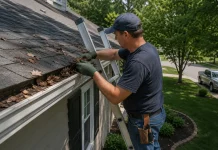
- Clear gutters and confirm that downspouts discharge away from the building.
- Inspect roofing, flashing, windows, doors, and exterior penetrations.
- Prepare heating equipment and protect outdoor water connections.
- Remove leaf buildup from drains, steps, paths, and exterior equipment.
- Monitor pipes, heating performance, indoor moisture, and roof drainage.
- Keep vents, meters, exits, and equipment clear where snow or debris collects.
- Check weather seals, attic warning signs, and cold interior surfaces.
- Respond quickly to leaks, ice-related damage, or loss of heat.
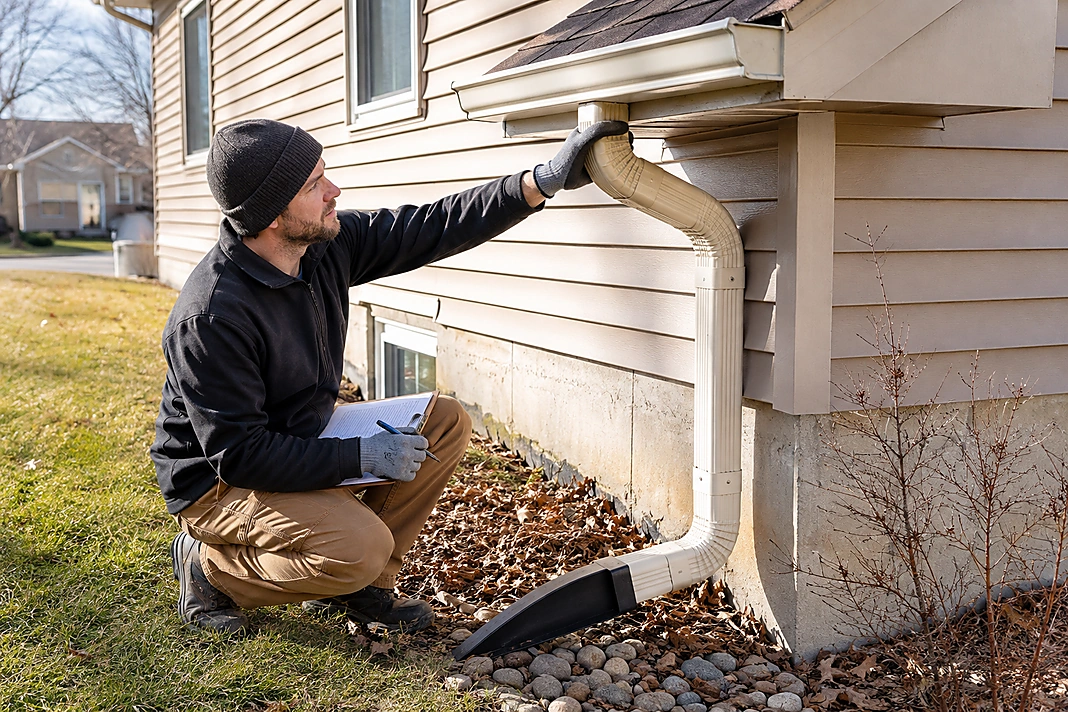
EPA moisture guidance connects regular gutter repair, foundation drainage, humidity control, and quick drying with mold prevention. EPA advises drying wet materials within 24 to 48 hours where practical and fixing the water source. Review the current EPA mold and moisture guide.
Water outranks appearance: move active leaks, failed drainage, roof openings, plumbing drips, and recurring condensation ahead of paint, décor, and cosmetic improvements.
What Needs an Annual Review or Professional Service?
Annual work looks deeper than the monthly routine. It checks equipment performance, concealed risk indicators, structural condition, and records that need renewal.
An annual home maintenance checklist should assign a month, responsible person, access requirement, and completion evidence for each task.
| System or area | Annual review | Evidence to keep | Escalation trigger |
|---|---|---|---|
| Roof and exterior | Review covering, flashing, penetrations, sealants, siding, trim, steps, railings, and drainage. | Dated photos, repair notes, product details, and contractor reports. | Movement, open joints, missing material, soft areas, active water entry, or unsafe access. |
| Heating and cooling | Arrange seasonal service as appropriate and inspect filters, drainage, controls, airflow, and outdoor clearance. | Service invoice, readings, replaced parts, filter size, and next service date. | Combustion concern, repeated shutdown, damaged wiring, leaking refrigerant, blocked drain, or weak output. |
| Water systems | Review shutoffs, visible supply lines, fixture seals, water heater condition, pressure concerns, drains, and pumps. | Model data, service record, leak photos, test results, and replacement dates. | Active leak, corrosion, unsafe discharge, sewage backup, pressure change, or damaged tank. |
| Electrical and life safety | Test accessible safety devices and review panels, outlets, switches, cords, lighting, alarms, and exterior equipment. | Alarm dates, battery type, electrician report, panel schedule, and corrected defects. | Heat, odor, sparking, repeated tripping, damaged conductors, water contact, or missing protection. |
| Interior and structure | Check ceilings, walls, floors, stairs, attic or crawlspace indicators, doors, windows, and foundation-visible areas. | Condition photos, crack measurements, moisture notes, and professional findings. | New movement, sagging, persistent moisture, pest damage, blocked exits, or rapid crack growth. |
Swipe horizontally to view the full table.
How Should Annual HVAC Service Be Recorded?
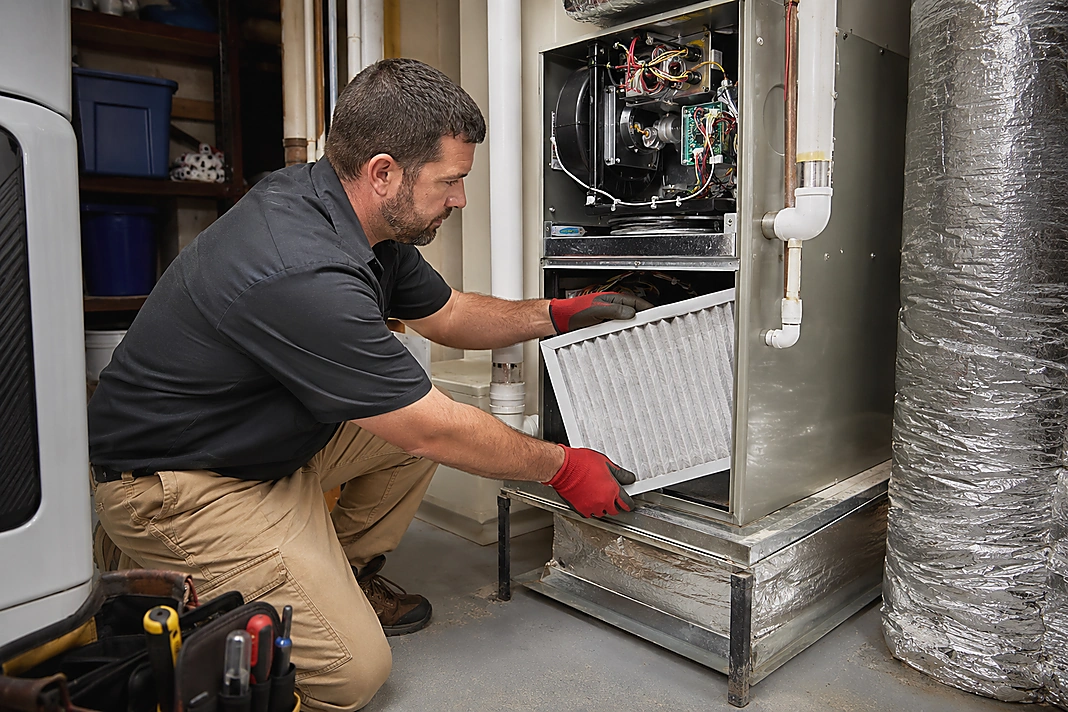
ENERGY STAR recommends annual pre-season heating and cooling checkups and regular filter inspection. Its contractor checklist covers controls, electrical connections, drainage, coils, airflow, and combustion-related checks where applicable. Use the current ENERGY STAR maintenance checklist when planning system service.
How Should You Prioritize Maintenance Findings?
Do not sort the work only by cost or convenience. Rank each finding by consequence, current condition, speed of deterioration, and whether another task depends on it.
Assign every open item one next action: monitor, clean, adjust, obtain a quote, schedule service, restrict use, or respond immediately. Add a due date and the person responsible.
What Maintenance Records Should You Keep?
A record turns repeated checks into useful property history. It shows what changed, what work solved the problem, and which issue keeps returning.
Store the home maintenance checklist with photos, receipts, warranties, manuals, contractor details, model numbers, permit records, and service dates. Keep the records easy to transfer when ownership or management changes.
Use dated photos and short notes from the same viewpoint when tracking cracks, staining, corrosion, or wear.
Record the scope, product, contractor, cost, completion date, warranty, and any follow-up requirement.
Set the next inspection, replacement, cleaning, or professional service date before closing the task.

Close the loop: a task remains open until the issue has a result, evidence, and next review date. “Checked” does not mean “resolved.”
How Should You Manage Work That Cannot Happen Now?
Some work must wait for budget, weather, access, parts, or a qualified contractor. Do not let it disappear from the plan.
Place deferred work in a controlled queue. The home maintenance checklist should show the present risk and the temporary controls that protect the home until permanent work begins.
When Should You Call a Qualified Professional?
Use qualified professionals when the work involves regulated systems, hazardous materials, structural movement, roof access, fuel-burning equipment, electrical risk, active sewage, major water damage, or specialized testing.
Do not climb, enter, dismantle, or expose hidden work when safe access, training, or protective equipment is missing.
Repeated staining, odor, trips, pressure changes, movement, or system failure needs diagnosis before cosmetic repair.
Permits, licensing, environmental rules, warranties, and manufacturer instructions may control who can perform the work.
Scope boundary: maintenance intervals depend on climate, equipment, materials, use, warranties, and local requirements. Follow manufacturer instructions and obtain qualified advice where conditions exceed routine observation or cleaning.
Home Maintenance Checklist FAQs
How often should I walk around my home?
Complete a short monthly review and add focused checks after storms, freezing weather, unusual utility use, repairs, or long absences.
Should every task happen on the same schedule?
No. Use manufacturer guidance, climate, condition, age, past defects, and professional recommendations to set the interval.
What should I check first each month?
Start with alarms, active water signs, unusual electrical conditions, blocked exits, HVAC filters, drains, and visible exterior changes.
Do I need a professional home inspection every year?
Not every home needs the same inspection cycle. Hire specialists when age, damage, risk, inaccessible areas, or unresolved warning signs justify it.
How do I track recurring problems?
Use dated photos, the same observation point, service notes, weather conditions, readings, and the result of each repair.
What counts as deferred maintenance?
It is known work that remains incomplete after its normal maintenance or repair date. Track risk, controls, owner, budget, and deadline.
Should renters use this checklist?
Renters can observe conditions, test devices where permitted, document concerns, and report problems. Lease terms and local laws control responsibilities.
Can maintenance records help when selling?
Records can explain system age, completed work, warranties, and recurring care. They do not replace required disclosures or professional evaluation.
What maintenance should I never delay?
Do not delay immediate safety concerns, active water, sewage, gas concerns, electrical heat, structural movement, failed alarms, or unsafe access.
How should I start when the list feels too long?
Map major systems, complete one safety and water check, record open issues, then schedule seasonal and annual work by risk.

